
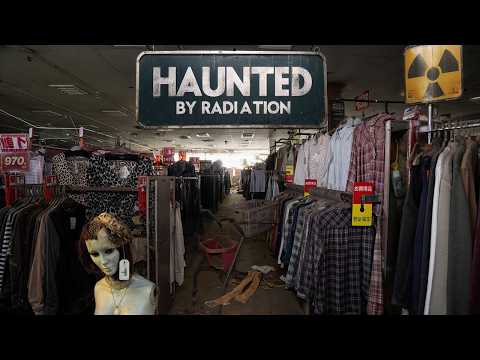
This blog post recounts an exploration of Fukushima, Japan, a region devastated by the 2011 earthquake and nuclear disaster. The narrative details the eerie remnants of abandoned buildings, schools, and entertainment venues, highlighting the haunting atmosphere and the lingering effects of radiation. The explorers document their experiences, the abandoned items left behind, and the emotional weight of witnessing a once-thriving community turned ghost town.
In March 2011, Japan faced one of the most devastating natural disasters in recent history. A magnitude 9 earthquake struck, triggering a massive tsunami that obliterated everything in its path. As if the situation couldn't worsen, the disaster led to the meltdown of the Fukushima nuclear power plant, releasing radiation that contaminated the surrounding areas. Over a decade later, much of Fukushima remains a ghost town, abandoned and hauntingly silent.
Our exploration of this eerie landscape began early in the morning, around 5:30 AM, to avoid security patrols that typically start their shifts at 8:00 AM. The sun had already risen, illuminating the remnants of a once-bustling community. As we ventured into the heart of Fukushima, we were struck by the stark contrast between the vibrant life that once thrived here and the desolation that now enveloped the area.
One of the first places we explored was a clothing store, where items were left untouched for over a decade. Dust covered everything, and the atmosphere felt frozen in time. Shelves were lined with clothes, toys, and even electronics, all gathering dust as if waiting for their owners to return. The sight of children's backpacks still resting on desks in an abandoned school was particularly haunting, evoking a sense of loss and nostalgia.
Next, we ventured into a nearby Pachinko parlor, a popular form of entertainment in Japan. The machines, once filled with eager players, now stood silent, covered in dust. We marveled at the intricate designs of the machines, some featuring anime characters, and the sheer volume of tokens left behind. It was a surreal experience, witnessing a vibrant aspect of Japanese culture reduced to a forgotten relic.
As we continued our exploration, we stumbled upon what appeared to be a control room, possibly related to the nuclear power plant. The room was filled with gauges and buttons, remnants of a time when this facility was operational. It was a chilling reminder of the disaster that had unfolded here, and we couldn't help but feel a mix of curiosity and apprehension as we documented our findings.
Throughout our journey, we grappled with the emotional weight of what we were witnessing. The thrill of exploration was often overshadowed by the somber reality of the situation. Each abandoned building told a story of lives disrupted and dreams shattered. It felt like walking through a graveyard, where the silence was deafening, and the memories lingered in the air.
One of the most striking sights was the car graveyard, where vehicles lay abandoned and overgrown with vegetation. We navigated through the remnants of what once were cherished possessions, now left to decay. The juxtaposition of nature reclaiming these man-made objects was both beautiful and tragic.
After spending several days exploring Fukushima, we reflected on the unique experience we had. It was a blend of excitement and sorrow, akin to visiting a historical site where the past is palpable. We were reminded of the resilience of nature and the fragility of human life. Our journey through this abandoned city was not just an adventure; it was a poignant reminder of the consequences of disaster and the enduring impact on communities.
As we concluded our exploration, we felt a deep sense of responsibility to share the stories of those who once lived in Fukushima. The remnants of their lives serve as a testament to the resilience of the human spirit, even in the face of unimaginable tragedy. Our journey through this ghost town was a powerful reminder of the past and a call to remember those affected by the disaster.
Fukushima may be a ghost town today, but its story is far from over. It is a place where history, memory, and the echoes of life continue to resonate, urging us to reflect on the fragility of existence and the importance of community.



















