
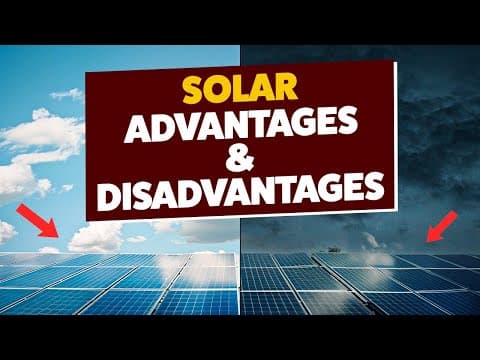
This comprehensive guide discusses the key advantages and disadvantages of solar energy, including its renewable nature, cost savings, and tax incentives, as well as the challenges of high upfront costs, dependence on weather, and installation complexities.
As the world increasingly turns to renewable energy sources, solar energy stands out as a popular choice for homeowners and businesses alike. However, before making the switch to solar power, it is essential to understand both the advantages and disadvantages associated with this energy source. This guide will provide a thorough overview of what you need to know about solar energy in 2024.
Solar energy is a renewable resource, meaning it can be harnessed as long as the sun is shining. Unlike fossil fuels, which are finite and depleting, solar energy offers a sustainable solution to our energy needs. Additionally, solar power is clean, producing no direct pollution during energy generation.
Once installed, solar panels require minimal maintenance. They can last up to 30 years without needing major repairs, as they have no moving parts that could wear out over time. This longevity makes them a reliable energy source for the long term.
By switching to solar energy, homeowners can significantly reduce their reliance on fossil fuels and non-renewable resources. This shift not only benefits individual households but also contributes to a broader reduction in greenhouse gas emissions.
There are numerous financial incentives available for those considering solar energy. Grants, rebate programs, and substantial tax incentives can help offset the initial costs of installation. Additionally, homeowners have the option to lease solar panels, making solar energy more accessible.
Investing in solar panels can yield a significant return on investment. Homeowners can save money on their energy bills, and in some cases, they can sell excess power back to energy companies for credits. This can further enhance the financial benefits of solar energy.
While solar energy production is optimal on sunny days, it is still possible to generate power on cloudy days. This flexibility ensures that solar energy remains a viable option even in less-than-ideal weather conditions.
One of the most significant drawbacks of solar energy is the high upfront cost associated with purchasing and installing solar panels. Although prices have decreased over the years, the initial investment can still be a barrier for many families.
Solar panels rely on sunlight to generate energy, which means their efficiency can be affected by weather conditions. In regions that experience prolonged periods of rain or cloudiness, solar panels may not produce as much energy, potentially limiting their effectiveness.
Some homeowners may find solar panels unattractive. Their size and visibility can be a concern for those who prioritize the aesthetic appeal of their property. This can lead to hesitance in adopting solar technology.
Installing solar panels is not a simple DIY project. It requires professional installation, which can be costly and time-consuming. Homeowners must consider various factors, including the space needed for installation, shading, and the orientation of their property to ensure optimal energy production.
In summary, solar energy presents a range of advantages, including its renewable nature, low maintenance, and potential for significant cost savings through financial incentives. However, the high initial costs, dependence on weather, and installation complexities are important factors to consider before making the switch. By weighing these pros and cons, individuals can make informed decisions about whether solar energy is the right choice for their homes and businesses in 2024.



















