
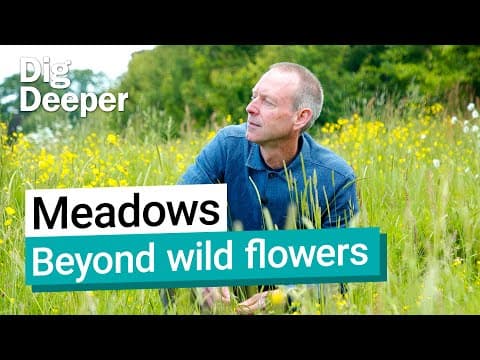
This blog post explores the multifaceted nature of meadows, highlighting their ecological significance, management practices, and the diverse plant life they support. It emphasizes the balance between agriculture and biodiversity, showcasing the intricate relationships between plants, fungi, and insects that thrive in these habitats.
My name is Iain Parkinson, and I am the Head of Landscape and Horticulture at Wakehurst, Kew’s wild botanic garden. Today, we will explore the beauty and utility of meadows, particularly focusing on the Coronation Meadow. Meadows are not just picturesque landscapes; they are complex ecosystems that serve various purposes and hold significant ecological value.
The question of what constitutes a meadow may seem simple, yet it eludes a straightforward answer. Different stakeholders perceive meadows in various ways:
At their core, meadows are finely balanced ecosystems where every plant, from the tallest grass to the smallest flower, has an equal opportunity to thrive. While they are often associated with wildflowers, the grasses that populate these areas are equally vital.
Meadows primarily serve the function of hay production, which is crucial for feeding livestock during winter months. The management of meadows involves allowing them to grow throughout the spring and summer, followed by a hay cut later in the season. This cyclical management is essential for maintaining the delicate balance of the ecosystem.
After the hay is harvested, livestock such as sheep or cattle are brought in to graze on the nutrient-rich grass, which helps condition them for winter. This sustainable practice ensures that meadows continue to thrive year after year.
The Coronation Meadow, established five years ago, showcases a diverse tapestry of plants, including grasses, flowers, sedges, and even some grassland ferns. Early in the season, vibrant yellow flowers like buttercups emerge, followed by ox-eye daisies and later, knapweed and dyer’s greenweed. This dynamic progression highlights the seasonal changes within the meadow.
While wildflowers are often celebrated, the grasses in meadows play a crucial role. For instance, crested dog's tail is not only palatable to livestock but also serves as a food source for butterflies like the meadow brown. Other grasses, such as meadow bent and sweet vernal grass, contribute to the meadow's ecological diversity and aesthetic appeal.
Among the notable plants in the meadow is yellow rattle, a hemi-parasitic plant that helps control grass growth, allowing more delicate flowers to flourish. Historically, farmers used yellow rattle as an indicator for when to cut hay, as its seed capsules rattle when ripe.
Another interesting species is pignut, a small umbellifer with an underground tuber that wildlife, particularly pigs, find delectable. Dyer’s greenweed, known for its historical use in dyeing fabrics, is also an important food source for various insects.
Beneath the surface, mycorrhiza fungi form beneficial relationships with plants, enhancing nutrient uptake and supporting healthy ecosystems. The presence of common spotted orchids in the meadow indicates healthy soil conditions, showcasing the interconnectedness of life above and below ground.
Establishing a meadow requires creating the right conditions for seeds to germinate. This includes ensuring adequate light, soil, and water. The grazing of livestock helps create bare patches of soil where seeds can settle and thrive, promoting biodiversity.
Meadows are not static; they change with the seasons. As we approach mid-September, the vibrant colors of summer fade, and preparations for the autumn grazing begin. It is essential to leave some areas uncut to provide shelter for wildlife during the winter months.
Late-season flowers like devil’s bit scabious and betony continue to provide food for insects, demonstrating the importance of seasonal flowering patterns in supporting biodiversity.
Meadows represent a beautiful conspiracy between people and plants, embodying a microcosm of life rich in biodiversity and natural beauty. They showcase the intricate patterns of nature, offering a glimpse into the complex relationships that sustain these ecosystems. Regardless of the season, meadows are a source of joy and wonder, reminding us of the beauty of the natural world.
Thank you for joining me in this exploration of meadows. If you enjoyed this discussion, consider subscribing to our YouTube channel for more insights into the work we do at Kew and the wonders of nature.



















