
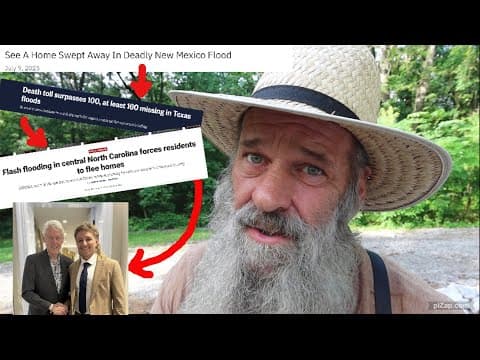
Recent floods in North Carolina, New Mexico, and Texas have raised questions about weather manipulation. This blog post delves into historical instances of weather control, including Operation Popeye during the Vietnam War, and discusses modern cloud seeding practices. It highlights the implications of these actions on climate change narratives and the potential motivations behind them, urging readers to investigate further and prepare for future weather-related challenges.
In recent weeks, devastating storms have wreaked havoc across various regions in the United States, particularly in North Carolina, New Mexico, and Texas. These events have led many to ponder the underlying causes of such extreme weather phenomena. This blog post aims to explore the commonalities among these storms and the controversial topic of weather manipulation.
The storms that have recently impacted North Carolina, New Mexico, and Texas have resulted in significant destruction, affecting countless lives and properties. The rapid rise of rivers in New Mexico, for instance, saw water levels surge by 20 feet, leading to widespread damage. As we reflect on these tragedies, it is essential to consider what they might have in common.
The concept of weather manipulation is not new. Historical evidence suggests that governments have engaged in weather control for decades. A notable example is Operation Popeye, a covert operation during the Vietnam War where the U.S. military used cloud seeding to increase rainfall, thereby creating muddy conditions that hindered the movement of enemy supplies. This tactic illustrates how weather can be weaponized to achieve strategic military objectives.
In a revealing clip, former President Lyndon B. Johnson stated, "He who controls the weather will control the world." This statement underscores the potential power associated with weather manipulation and raises questions about its ethical implications. The idea that weather can be controlled has evolved from conspiracy theory to a topic of serious discussion in contemporary society.
Fast forward to today, and we see the emergence of companies like Rain Maker, which recently raised $25 million in funding to develop technologies for weather manipulation. This startup focuses on cloud seeding and aims to provide solutions for climate-related challenges. Their operations have already garnered attention from various municipalities and ski resorts, indicating a growing acceptance of weather modification practices.
Rain Maker is part of a broader trend of climate startups that are addressing the economic impacts of weather inconsistencies. These companies are increasingly being called upon to mitigate the effects of climate change, raising concerns about the potential consequences of their interventions. As they seek to control weather patterns, the implications for local ecosystems and communities must be carefully considered.
The recent floods and the discussions surrounding weather manipulation contribute to a larger narrative about climate change. Some argue that these extreme weather events are being used to reinforce the climate change agenda, creating a sense of urgency that may not always be warranted. This perspective suggests that the manipulation of weather could serve to solidify public belief in climate change, potentially diverting attention from other pressing issues.
Given the increasing frequency of extreme weather events, it is crucial for individuals and communities to prepare for potential disasters. This includes having emergency plans in place, especially for those living in flood-prone areas. The belief that weather manipulation is being used against citizens raises the stakes for preparedness and resilience.
The connection between recent floods and the potential for weather manipulation is a complex and contentious issue. While historical precedents exist, the modern landscape of climate startups and government interventions adds layers of complexity to the discussion. As we navigate these challenges, it is essential to remain informed and proactive in our responses to extreme weather events. Investigating the facts, understanding the implications of weather manipulation, and preparing for future challenges are vital steps for individuals and communities alike.



















