
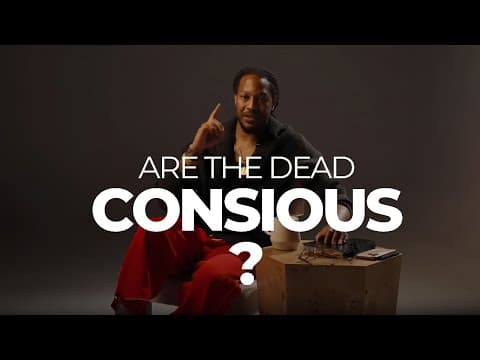
In this blog post, we delve into the profound insights shared by Prophet Lovy L. Elias regarding the consciousness of the dead, the spiritual realm, and the importance of understanding life after death. The discussion covers biblical references, personal experiences, and the significance of spiritual awareness in navigating the complexities of life and the afterlife.
In a thought-provoking session, Prophet Lovy L. Elias addresses a question that has intrigued humanity for centuries: Are the dead conscious? This exploration dives deep into spiritual awareness, the afterlife, and the implications of our understanding of death and consciousness.
Prophet Lovy begins by emphasizing that God never created anything for destruction. This foundational belief sets the stage for understanding the nature of the dead. He asserts that the dead are conscious, but their awareness is limited to their state in the afterlife.
The prophet references Ecclesiastes 9:5, which states, "For the living know that they will die, but the dead know nothing." This verse highlights that while the physical body is not self-aware after death, the soul remains conscious. The dead, particularly those in hell, are aware of their surroundings and their past choices, which adds to their torment.
Prophet Lovy shares personal experiences that illustrate his encounters with the spiritual realm. He recounts moments of seeing deceased loved ones and emphasizes that these experiences are not uncommon. He encourages believers to understand that dreams of the dead can be a form of communication, not necessarily a demonic encounter as often perceived.
The prophet stresses the importance of spiritual awareness in navigating life and the afterlife. He explains that many people are unaware of the spiritual realities that exist beyond our physical world. This ignorance can lead to fear and misunderstanding about death and the afterlife.
One of the central questions addressed is whether the dead can see or hear the living. Prophet Lovy asserts that while the dead are conscious, their ability to interact with the living is limited. He references Luke 16:19-31, where the rich man in hell is aware of his surroundings and can see Lazarus in paradise, indicating a level of consciousness.
The prophet explains that souls in hell experience torment not only from their surroundings but also from the memories of their past lives. They are aware of their choices and the consequences that follow, which adds to their suffering. This understanding serves as a warning for the living to make conscious choices in their lives.
Prophet Lovy discusses the interaction between the living and the dead, emphasizing that while the dead cannot return to the living, they can be aware of what happens on Earth. He cites Revelation 6:9-10, where the souls of martyrs cry out for justice, indicating their awareness of earthly events.
The prophet encourages believers to pray for their loved ones who have passed away, as prayer can bridge the gap between the living and the dead. He emphasizes that while we cannot change the fate of those who have died without salvation, our prayers can still have a profound impact on the living.
In conclusion, Prophet Lovy L. Elias provides a compelling exploration of the consciousness of the dead, urging believers to deepen their understanding of spiritual realities. He emphasizes the importance of living a life aligned with God's will, as our choices have eternal consequences. By fostering spiritual awareness, we can navigate the complexities of life and the afterlife with confidence and clarity.
The insights shared by Prophet Lovy challenge us to rethink our perceptions of death and consciousness. As we continue to explore these profound truths, may we find comfort in the knowledge that our loved ones are not truly gone, but exist in a different realm, awaiting the ultimate resurrection and reunion with God.



















