
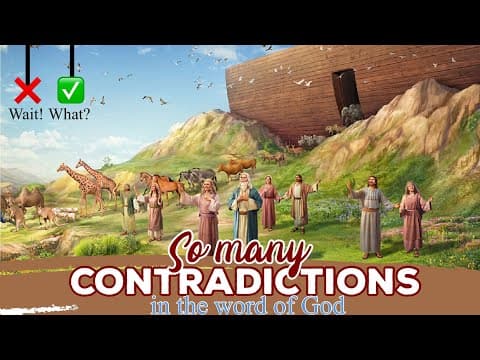
This blog post presents a satirical dialogue with God, addressing various contradictions found in the Bible, including issues of morality, divine intervention, and the nature of salvation. Through humor and critical questioning, it highlights inconsistencies in biblical texts and the challenges of reconciling them with modern beliefs.
In a unique and humorous dialogue, we delve into the contradictions present in the Bible through a fictional conversation with God. This discussion aims to shed light on various biblical narratives and the complexities surrounding them.
Today marks a historic moment as we welcome a very special guest: God, the creator of the universe and the author of the Bible, which has sold over 5 billion copies. As we begin, God expresses his surprise at the invitation, stating he had some free time in heaven after creation and decided to engage with humanity.
With over 7,000 viewers tuning in, many believe the Bible contains numerous contradictions. God reassures the audience that his word is true and without contradictions. However, the conversation quickly turns to some of the more controversial aspects of biblical teachings.
The first question posed is about incest, referencing Leviticus, which condemns sexual relations between siblings. Yet, God is reminded of Abraham and Sarah, who were siblings and blessed with children. This contradiction raises eyebrows, prompting God to acknowledge the complexity of the situation.
The discussion shifts to slavery, where God expresses his disdain for the practice, citing his intervention in Egypt to free the Israelites from slavery. However, the conversation highlights biblical passages where God instructs slaves to obey their masters, leading to confusion about his stance on the issue.
A particularly troubling point arises regarding the plagues in Egypt. God admits to hardening Pharaoh's heart to demonstrate his power, which raises questions about the morality of punishing the Egyptians for a decision that God influenced.
The dialogue continues with inquiries about whether humans can see God. God states that no one has ever seen him, yet biblical accounts describe encounters with figures like Abraham and Moses. This contradiction leads to further questioning of God's omniscience.
When asked about the destruction of Sodom and Gomorrah, God explains that he needed to investigate the extent of the wickedness. This raises the question of how an all-knowing deity would need to check on human behavior personally.
The conversation also touches on the justice of punishing children for their parents' sins. God asserts that each individual is responsible for their own actions, contradicting passages that suggest generational punishment.
A significant point of contention arises regarding salvation. God initially describes it as a gift but later implies it is contingent upon one's deeds. This contradiction leaves the audience questioning the true nature of divine grace and judgment.
Finally, the discussion turns to God's planning of future events. God claims to have a plan for everything, yet admits to improvising in response to human actions, which contradicts the notion of divine foreknowledge.
As the conversation wraps up, it becomes clear that the Bible contains numerous contradictions that challenge the understanding of its teachings. The humorous yet critical dialogue with God reveals the complexities and inconsistencies within biblical narratives, prompting readers to reflect on their interpretations of faith and morality.
In this exploration, we see that the Bible, while revered by many, is not without its challenges and contradictions, leading to ongoing debates about its relevance and interpretation in modern society.



















