
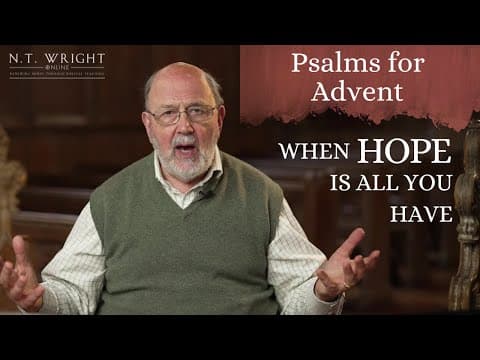
Psalm 88 is a profound expression of lament and despair, offering a unique perspective on suffering and hope. This blog post delves into the themes of darkness, the nature of God, and the importance of lament in the Christian faith, emphasizing that even in the depths of despair, there is a glimmer of hope through faith.
The Book of Psalms is a rich tapestry of human emotion, ranging from joy and praise to deep lament and despair. Among these, Psalm 88 stands out as the most unrelentingly dark of all the Psalms. While other Psalms, such as Psalm 44, contain elements of hope amidst their complaints, Psalm 88 plunges us directly into the depths of darkness without resolution. This blog post explores the significance of Psalm 88, the nature of lament, and the hope that can be found even in the bleakest circumstances.
Psalm 88 is unique in its unyielding expression of sorrow. It does not offer a prayer for rescue or a plea for help; instead, it presents a raw and honest complaint to God. The psalmist addresses God directly, stating, "O Yahweh, God of my salvation." This invocation is crucial, as it reflects the psalmist's struggle to hold onto the belief in a saving God, even when everything seems lost.
Lament is an essential aspect of the human experience, particularly in the context of faith. Throughout history, many individuals and communities have found themselves in situations akin to that described in Psalm 88. It is vital to allow ourselves to engage in moments of real lament and complaint, acknowledging our pain and suffering. This process can be a form of prayer, a way to express our deepest feelings to God.
In Psalm 88, the psalmist's complaint is directed towards God, who is both the source of the psalmist's anguish and the object of his hope. This duality is significant; it highlights the complexity of faith in times of suffering. The psalmist does not abandon God in his despair but instead clings to the belief that God is present, even in the darkest moments.
One might consider alternative worldviews in response to suffering. For instance, an Epicurean perspective might suggest that suffering is simply a part of life, with God being distant and uninvolved. Conversely, a Stoic approach might advocate for enduring suffering with resilience, suggesting that individuals can choose to leave their circumstances behind. However, the Jewish and Christian worldviews present a different narrative. They emphasize a personal God who is intimately involved in the lives of His people, even when they are led through dark valleys.
The journey through darkness is not unfamiliar to many believers. Just as Jesus experienced profound suffering, culminating in His cry, "My God, why have you abandoned me?" so too do many of God's people find themselves in moments of despair. The act of praying to God in these times, as the psalmist does, is a powerful testament to faith. It acknowledges the pain while simultaneously affirming the belief in a God who hears and understands.
Despite the overwhelming darkness of Psalm 88, there is an underlying message of hope. The psalmist's unwavering focus on God as the source of salvation serves as a reminder that even in the depths of despair, faith can provide a lifeline. The questions posed in verses 10 to 12 about God's wonders and steadfast love suggest that there is a reality beyond the immediate suffering. The answer to these questions is a resounding yes; God does work wonders, even for the dead, and His love is declared even in the grave.
Psalm 88 invites us to confront the reality of suffering and to engage in lament as a vital part of our faith journey. It teaches us that it is okay to express our pain and confusion to God, and that in doing so, we can find a deeper connection to Him. As we cling to the belief in the God of our salvation, we may not always understand our circumstances, but we can trust that He is present with us in our suffering. Ultimately, the hope we find in faith is often forged in the fires of darkness, reminding us that even in our lowest moments, we are not alone.



















