
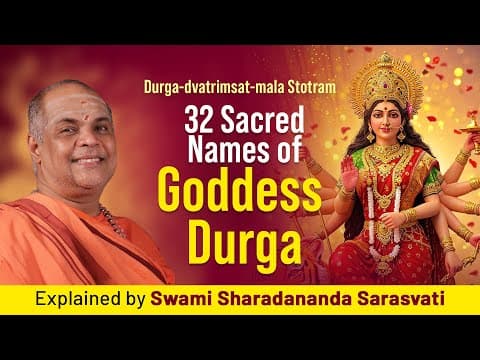
This blog post delves into the significance of the Durga-dvatrimsat-mala Stotram, highlighting the 32 powerful names of Goddess Durga. It discusses the importance of connecting with the divine through chanting, the nature of human suffering, and the transformative power of sadhana. Readers will learn how to effectively chant the names and the benefits of doing so during Navaratri, along with insights into the Siddhunjigas Stotra and its significance.
In the spiritual practice of Hinduism, the worship of Goddess Durga holds immense significance, especially during the festival of Navaratri. This blog post explores the Durga-dvatrimsat-mala Stotram, which comprises 32 powerful names of Goddess Durga. We will delve into the importance of these names, the transformative power of chanting, and how they can help individuals navigate the challenges of life.
The practice of upasana, or worship, is central to connecting with the divine. As we invoke Jagadamba, the mother goddess, we create a sacred atmosphere that fosters a deep connection with her. This connection is not merely ritualistic; it is a profound experience that brings about inner change and a sense of divinity within us.
Human existence is often characterized by a cycle of troubles and challenges. As described in the teachings, life is a series of problems, from physical ailments to environmental challenges. The constant fluctuations of life can lead to a troubled mind, which is why the devotees prayed to Jagadamba for protection and blessings. They sought a way to navigate the difficulties inherent in human life, acknowledging that while troubles may arise due to karma, there is a path to relief.
After the defeat of the demon Mahishasura, the gods expressed their gratitude to Jagadamba and requested her to bless humanity. They recognized that human beings often find themselves in a cycle of suffering, and they implored the goddess to provide a means of protection. Jagadamba responded by revealing her 33 names, which serve as a powerful tool for devotees to chant and seek strength.
The Durga-dvatrimsat-mala Stotram consists of 32 names of the goddess, each imbued with divine energy. Chanting these names with sincerity and devotion can provide immense strength and resilience against life's challenges. The act of chanting serves as a form of sadhana, a spiritual practice that helps individuals connect with their true nature, which is beyond suffering.
To effectively incorporate the chanting of the 32 names into your daily routine, consider the following steps:
In addition to the Durga-dvatrimsat-mala, the Siddhunjigas Stotra is another powerful mantra that can be chanted. This stotra is derived from the tantra shastra and condenses the essence of the goddess into a single mantra. It is recommended to chant this stotra alongside the 32 names to enhance the effectiveness of your sadhana.
While chanting bija mantras typically requires initiation from a guru, the Siddhunjigas Stotra is designed to be accessible to all. It allows practitioners to engage with powerful energies without the need for formal initiation, making it a valuable tool for spiritual growth.
The Durga-dvatrimsat-mala Stotram and the Siddhunjigas Stotra offer profound insights into the nature of suffering and the path to liberation. By engaging in these practices, devotees can cultivate inner strength, clarity, and a deeper connection with the divine. As we navigate the complexities of life, let us remember the power of these sacred names and the blessings they can bring into our lives. Embrace the opportunity to chant, reflect, and connect with the divine essence of Goddess Durga during this auspicious time of Navaratri.



















