
This blog post delves into the advancements in geothermal energy, particularly enhanced geothermal systems, which promise to provide a clean, reliable, and sustainable energy source. It discusses the benefits, challenges, and potential of geothermal energy as a base load power solution, while also addressing the implications for the oil and gas workforce and the environment.
As summer heats up, discussions around energy sources become increasingly relevant. One of the most promising alternatives to traditional energy sources is geothermal energy, particularly enhanced geothermal systems (EGS). This blog post explores the advancements in geothermal energy, its potential as a base load power solution, and the implications for the energy landscape.
Geothermal energy harnesses heat from the Earth’s core, which can be found in volcanic regions or areas with hot springs. Traditional geothermal energy relies on tapping into these natural heat sources, but it is limited to specific geographical locations. Currently, geothermal energy accounts for only about 1% of the global energy mix.
Recent advancements have led to the development of enhanced geothermal systems, which allow for the extraction of geothermal energy from virtually anywhere. EGS involves drilling deep into the Earth to access heat, regardless of surface conditions. By injecting water into these deep wells, steam is generated, which can then be used to turn turbines and produce electricity.
A variation of EGS is the closed loop geothermal system, which circulates water through a continuous loop without injecting it into the ground. This method minimizes environmental impact and avoids the fracking concerns associated with traditional geothermal extraction. Closed loop systems can also utilize ammonia instead of water, allowing for energy extraction at shallower depths.
Geothermal energy presents several advantages:
Despite its potential, geothermal energy faces challenges:
The future of geothermal energy looks promising, with increasing investments from both government and private sectors. Companies like Fervo Energy and Evore are leading the charge in developing next-generation geothermal technologies. As these technologies mature, it is projected that geothermal energy could meet a significant portion of the United States' energy needs by 2050.
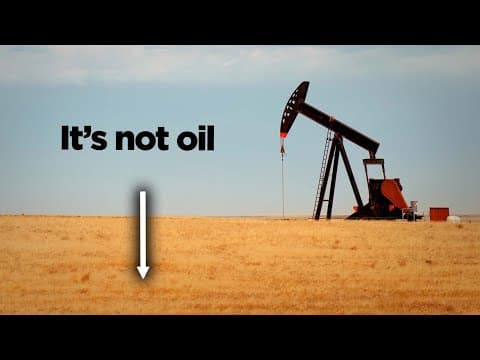
Interestingly, many oil and gas companies are recognizing the potential of geothermal energy. By repurposing existing oil wells for geothermal use, these companies can leverage their existing infrastructure and workforce, facilitating a smoother transition to renewable energy sources.
Geothermal energy, particularly through enhanced geothermal systems, represents a significant opportunity for sustainable energy production. With its reliability, low environmental impact, and potential for job creation, geothermal energy could play a crucial role in the future energy landscape. As we continue to explore and invest in these technologies, the transition to a cleaner, more sustainable energy future becomes increasingly attainable.



















