
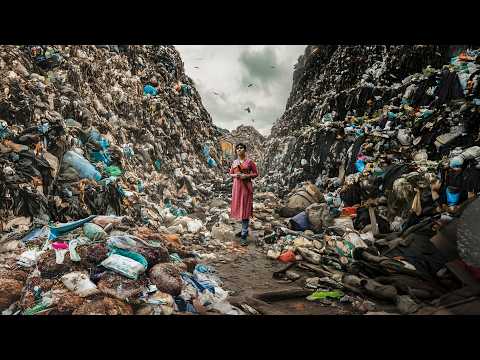
This blog post delves into the grim conditions surrounding Delhi's tallest waste dump, highlighting the struggles of the local population, the environmental hazards, and the socio-economic implications of living near such a site.
The video titled "Inside India’s TALLEST waste dump! (we were beaten 😨)" takes viewers on a disturbing journey through one of Delhi's largest and oldest dumping grounds. This post aims to encapsulate the grim realities faced by the residents living in the shadow of this towering landfill, the health hazards they endure, and the socio-political implications of their situation.
As the video begins, the overwhelming stench of the landfill becomes apparent. The narrator describes the conditions as unbearable, with toilets going uncleaned for nearly 20 days and water sources contaminated with chemicals. The proximity of the dump to a bustling chicken and fish market raises serious concerns about hygiene and public health.
The landfill, described as being almost as tall as the Qutub Minar and twice the size of a cricket stadium, is a stark reminder of the waste management crisis in Delhi. Despite promises to clear the site by December 2024, the reality is that the dump continues to grow, affecting the lives of lakhs of residents.
Residents living near the dump face numerous challenges. The narrator highlights that approximately 600 garbage trucks empty their loads daily, contributing to the foul smell and unsanitary conditions. The water that residents use for bathing and cooking is often contaminated, leading to a rise in illnesses such as tuberculosis, asthma, and even cancer.
The health risks associated with living near the landfill are alarming. Residents report frequent illnesses, and the narrator mentions that three individuals have been diagnosed with cancer. The lack of clean water and proper sanitation facilities exacerbates these health issues, making it difficult for families to maintain a basic standard of living.
The video critiques the role of government officials and bureaucrats in addressing the plight of these residents. Despite the elections and promises made by various political parties, the conditions remain unchanged. The narrator emphasizes that the responsibility lies with the elected officials, who often neglect these communities once they are in power.
Interestingly, the landfill also serves as a source of income for many residents. Scrap dealers and waste collectors earn a living by sorting through the garbage, highlighting a complex relationship between the community and the landfill. While the dump is a source of livelihood for some, it also poses significant health risks and environmental hazards.
The video shares poignant personal stories from residents, including a young boy who suffered a severe injury from a garbage truck and a mother who lost her daughter under tragic circumstances. These narratives humanize the statistics and paint a vivid picture of the daily struggles faced by those living near the dump.
Adjacent to the landfill is a bustling market where chickens, fish, and vegetables are sold. The narrator reveals that this market supplies a significant portion of Delhi's non-vegetarian food. However, the unhygienic conditions of the market, combined with the proximity to the dump, raise serious questions about food safety and public health.
The video concludes with a reflection on the irony of living in a tier-1 city like Delhi, where such stark contrasts exist between wealth and poverty, cleanliness and filth. The narrator calls for awareness and action, emphasizing that while the landfill may be seen as a nuisance by some, it is a lifeline for many others.
In summary, the exploration of Delhi's tallest waste dump reveals a complex web of socio-economic issues, health hazards, and governmental neglect. It serves as a reminder of the urgent need for effective waste management solutions and the importance of addressing the needs of marginalized communities.



















