
This blog post delves into the historical and religious environment surrounding Joseph Smith's First Vision, examining the Second Great Awakening, the Burned Over District, and the theological tensions that influenced Smith's spiritual journey.
Welcome back to Scripture Central. In this post, we will explore the historical context surrounding Joseph Smith's First Vision, particularly focusing on the religious fervor of the Second Great Awakening and the unique environment of the Burned Over District in upstate New York. We will address some challenging questions about Joseph Smith's experiences and the theological implications of his vision.
The Burned Over District, located in upstate New York, was a significant area during the Second Great Awakening, characterized by intense religious revivals. This region earned its name due to the overwhelming number of religious movements and revivals that occurred there, likened to a "tinder box" of spiritual fervor.
Between 1815 and 1818, the area witnessed an astonishing 80 revivals, far surpassing other regions. For instance, Vermont, which was known for its religious activity, had only 45 revivals during the same period. The sheer number of revivals in the Burned Over District indicates a vibrant spiritual atmosphere, which undoubtedly influenced Joseph Smith and his family as they settled in the area.
Joseph Smith's family moved to the Burned Over District during a time of great religious excitement. Joseph Sr. sought a better life for his family, motivated by the promise of affordable land and the potential for agricultural success. The Erie Canal's construction also played a role in attracting settlers to the area, making it a prime location for farming and commerce.
As Joseph grew up in this environment, he became acquainted with various religious denominations, particularly Methodism, which was gaining popularity. The Methodist Church's emphasis on personal experience and emotional conversion resonated with Joseph, who sought a profound spiritual experience. However, despite his efforts to find acceptance within the Methodist community, he struggled to feel the same spiritual confirmation that others experienced.
Joseph Smith found himself caught between the competing theological ideas of Calvinism and Arminianism. While his family had roots in Calvinism, which emphasized predestination and total depravity, Joseph was drawn to the Arminian beliefs espoused by Methodists, which emphasized free will and the possibility of personal salvation.
In his quest for truth, Joseph turned to the Bible, particularly James 1:5, which encouraged individuals to seek wisdom from God. This verse became pivotal in his decision to pray for guidance regarding which church to join. Joseph's realization that he could ask God directly for answers marked a significant turning point in his spiritual journey.
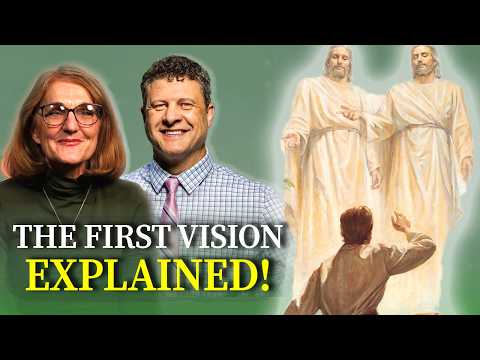
In the spring of 1820, Joseph Smith went to the woods to pray, seeking divine guidance. His experience culminated in a vision where he saw two personages who identified themselves as God the Father and Jesus Christ. This moment was transformative, as it provided Joseph with clarity about the nature of God and the truth of the various churches he had encountered.
Following his vision, Joseph faced skepticism and contempt from some religious leaders, particularly a Methodist minister he confided in. This reaction highlighted the contentious religious atmosphere of the time and the challenges Joseph would face as he began to share his experiences.
Joseph Smith's reluctance to record his vision initially can be attributed to several factors, including his feelings of inadequacy as a writer and the fear of misrepresenting such a profound experience. Over time, however, he recognized the importance of documenting his vision, leading to various accounts that provide insight into his evolving understanding of the event.
Joseph's accounts of the First Vision vary over time, reflecting his growing understanding and the theological implications of his experience. Each account offers unique insights into his thoughts and feelings, as well as the historical context in which he lived. The differences in these accounts illustrate the complexity of memory and the interpretive nature of personal experiences.
The historical context of Joseph Smith's First Vision is rich and multifaceted, shaped by the religious fervor of the Second Great Awakening and the unique environment of the Burned Over District. Joseph's journey reflects the broader theological tensions of his time and highlights the importance of personal revelation in the search for truth. As we continue to study church history, may we deepen our understanding of these pivotal moments and their significance in the restoration of the gospel.



















