
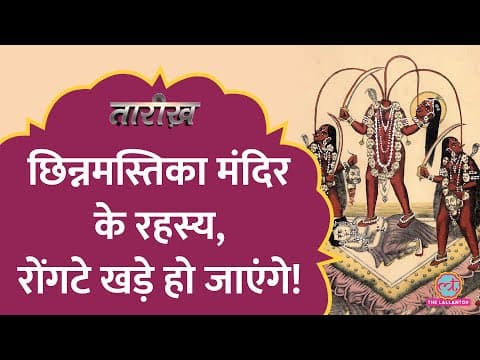
The Chhinnamastika Temple near Ranchi, Jharkhand, is a significant Shakti Peeth dedicated to the goddess Chhinnamastika, known for her unique depiction of self-sacrifice. The temple's rich history, legends, and cultural significance make it a vital pilgrimage site, especially during Navratri.
Located about 50 kilometers from Ranchi, the capital of Jharkhand, lies the Chhinnamastika Temple, a site steeped in myth and spirituality. This temple, situated near Ramgarh, is dedicated to the goddess Chhinnamastika, who is depicted holding her own severed head in one hand while drinking the blood that flows from her neck. This striking imagery is central to the temple's lore and significance.
The Chhinnamastika Temple is located at the confluence of the Damodar and Bhairavi rivers, surrounded by lush greenery and coal mines, creating a serene atmosphere for devotees. Recognized as a Shakti Peeth, the temple is one of the many sacred sites associated with the goddess Sati and her various forms. The number of Shakti Peeths varies across different religious texts, with counts ranging from 51 to 108.
According to the Mahabhagavat Purana, Chhinnamastika is one of the ten Mahavidyas, which include other deities like Tara, Tripura Sundari, and Kali. The temple's origin story is rooted in the tale of Sati, the wife of Lord Shiva, who was insulted by her father, King Daksha, during a grand yajna (sacrificial ritual). Despite Shiva not being invited, Sati insisted on attending. Upon arrival, she was ignored and humiliated, leading her to sacrifice herself in the yajna's fire.
In response to her death, Shiva's grief turned into rage, causing destruction across the universe. To pacify him, Lord Vishnu used his Sudarshan Chakra to dismember Sati's body, scattering her parts across the earth, which became the sites of various Shakti Peeths, including Chhinnamastika.
Inside the temple, the idol of Chhinnamastika is striking. She is depicted with three eyes, standing on a lotus, with her severed head in her left hand and a sword in her right. Blood flows from her neck, which she shares with her two companions, Dakini and Shakini, who are also depicted in the temple. This representation symbolizes self-sacrifice and the nurturing aspect of the goddess, as she feeds her companions with her own blood.
The reason for the goddess's severed head is explained in a research paper titled Myth and Legend of the Ranjappa Temple of Jharkhand by Amit Kumar. According to the legend, once while bathing in the Mandakini River with her friends, the goddess was asked for food. In response to their impatience, she cut off her head to feed them with her blood, thus earning the name Chhinnamastika, meaning "one with a severed head."
The temple's history is believed to date back over 6000 years, with some claiming it to be from the Mahabharata era. The local Santhal tribes hold the temple in high regard, often performing rituals and immersing the ashes of their deceased in the nearby river. During the festival of Navratri, the temple attracts a large number of devotees, all seeking the blessings of the goddess, who is believed to fulfill their wishes.
The Chhinnamastika Temple stands as a significant spiritual center not only in Jharkhand but also beyond. Its unique legends, rich history, and the powerful imagery of the goddess make it a vital pilgrimage site for many. As the temple continues to draw visitors, it remains a testament to the enduring faith and cultural heritage of the region.
In the next episode of our series, we will explore more historical tales and legends. Thank you for joining us today, and stay tuned for more fascinating stories.



















