
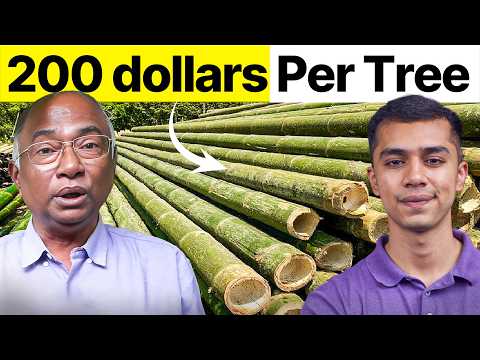
Bamboo farming presents a unique opportunity for farmers due to its low labor requirements, high growth rate, and multiple applications including carbon credits and biofuel production. This blog post delves into the benefits of bamboo, its environmental impact, and the economic advantages for farmers.
In recent years, bamboo has emerged as a significant crop for farmers, offering numerous benefits that address some of the pressing challenges in agriculture today. Dr. Barti, an agriculture scientist with over 37 years of experience, has dedicated the last 20 years to researching bamboo cultivation and its applications. This blog post will explore the advantages of bamboo farming, its environmental impact, and its potential in carbon credits and ethanol production.
One of the primary challenges faced by farmers today is the shortage of labor, especially for perishable crops that require immediate harvesting. Bamboo, however, can be harvested after three years and does not require constant labor once established. This makes it an attractive option for farmers looking for a low-maintenance crop.
Bamboo can be harvested at any time of the year, allowing farmers to respond to market demands without the pressure of perishable goods. Farmers can choose to harvest bamboo annually or every few years, providing them with flexibility in their farming practices.
The Indian government has set a minimum price for bamboo pellets at 9,600 rupees per ton, making it a financially viable option compared to other crops. With the increasing demand for sustainable energy sources, bamboo is positioned to replace a significant portion of coal used in India, which currently stands at 1,000 million tons annually.
Bamboo is not just a crop; it plays a crucial role in carbon sequestration. It grows rapidly, reaching heights of 35 to 40 feet in just a month, and can sequester approximately 450 kg of carbon dioxide annually per plant. This high growth rate allows bamboo to absorb carbon dioxide more efficiently than many other plants, contributing to a reduction in greenhouse gases.
In addition to sequestering carbon, bamboo releases oxygen as a byproduct of photosynthesis. One bamboo plant can produce enough oxygen for a human being for an entire year, making it an excellent choice for urban areas where air quality is a concern.
Dr. Barti suggests that planting bamboo along roads can create carbon-neutral pathways. For instance, planting 13 rows of bamboo on either side of a busy road can significantly reduce carbon emissions from vehicles, contributing to cleaner air.
Dr. Barti has developed a high-yield variety known as BMA bamboo, which can produce up to 40 tons per acre annually, compared to the traditional yield of 1 to 2 tons. This significant increase in yield can lead to substantial profits for farmers, with potential earnings of 2 lakh rupees per acre after expenses.
Bamboo farming also opens up opportunities for farmers to earn carbon credits. Each ton of carbon dioxide captured can be converted into a certified emission reduction unit, which can be sold in the market. The price for carbon credits varies, with some fetching up to $200 per ton, depending on the method of carbon capture.
Bamboo can be converted into biofuels such as ethanol, diesel, and even aviation fuel. This versatility not only provides farmers with additional revenue streams but also contributes to India's energy needs.
Despite its numerous benefits, bamboo farming has not yet reached its full potential. Historically, bamboo was classified as a forestry product, limiting its cultivation. However, recent policy changes have shifted bamboo to the agriculture sector, allowing farmers to cultivate it more freely.
The Indian government has initiated the National Bamboo Mission, providing funding and resources to promote bamboo cultivation. States like Maharashtra have established bamboo development boards to support farmers in planting and cultivating bamboo.
Bamboo farming presents a unique opportunity for farmers to diversify their crops while contributing to environmental sustainability. With its low labor requirements, high growth rate, and multiple applications, bamboo is poised to become a cornerstone of sustainable agriculture. As awareness grows and government support increases, more farmers may turn to bamboo as a viable and profitable crop for the future.



















