
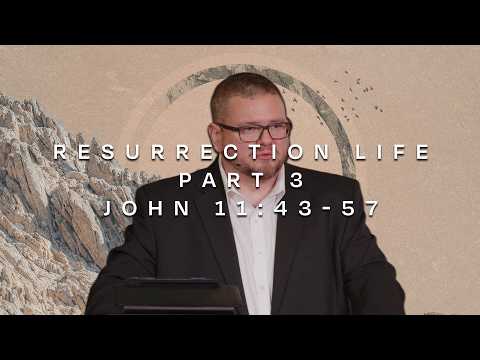
This blog post delves into John 11:43-57, where Jesus raises Lazarus from the dead, highlighting the implications of this miracle, the reactions of those present, and the profound claims Jesus made about himself, emphasizing his identity as the source of life and the fulfillment of prophecy.
In this blog post, we will explore the profound account found in the Gospel of John, chapter 11, verses 43 to 57. This passage recounts the miraculous raising of Lazarus from the dead by Jesus, a pivotal event that not only demonstrates Jesus' divine authority but also serves as a foreshadowing of his own resurrection. As we reflect on this scripture, we will consider its implications for faith, belief, and the identity of Jesus.
The narrative begins with Jesus arriving at the tomb of Lazarus, who had been dead for four days. The setting is significant; a cave with a stone laid against it symbolizes the finality of death. Jesus, deeply moved, instructs the people to remove the stone. Martha, Lazarus' sister, expresses concern about the odor of decay, highlighting the reality of death and the human instinct to avoid discomfort.
In response to Martha's hesitation, Jesus reminds her of his earlier promise: "Did I not tell you that if you believed, you would see the glory of God?" This statement emphasizes the importance of faith in witnessing God's power. The removal of the stone signifies a step of faith, allowing the miraculous to unfold.
Once the stone is rolled away, Jesus lifts his eyes to heaven and thanks God for hearing him. He then calls out in a loud voice, "Lazarus, come out!" This command is met with immediate obedience as Lazarus emerges from the tomb, still bound in grave clothes. Jesus instructs those present to unbind him and let him go, symbolizing not only Lazarus' physical resurrection but also the spiritual liberation that Jesus offers.
The miracle elicits varied responses. Many witnesses believe in Jesus as a result of this sign, while others report the event to the Pharisees. This division highlights the growing tension between Jesus and the religious leaders, who fear the implications of his miracles on their authority and the stability of their nation.
The Pharisees convene a council to discuss the situation. They acknowledge that Jesus performs many signs and express concern that if he continues, everyone will believe in him, leading to potential repercussions from the Romans. Caiaphas, the high priest, makes a chilling proclamation: "It is better for you that one man should die for the people, not that the whole nation should perish." This statement, while politically motivated, also serves as a prophetic foreshadowing of Jesus' sacrificial death for humanity.
Following this council, Jesus withdraws from public ministry, retreating to a town called Ephraim with his disciples. This marks a significant turning point in his ministry as he prepares for the events leading to his crucifixion. The approaching Passover adds urgency to the situation, as many are seeking Jesus, wondering if he will attend the feast.
Throughout the Gospel of John, Jesus makes numerous bold claims about his identity and purpose. He asserts that he came down from heaven, is the source of eternal life, and has the authority to forgive sins. His declaration of being the resurrection and the life encapsulates the essence of his mission: to offer hope and salvation to humanity.
The raising of Lazarus serves as a powerful testament to the belief that Jesus is indeed the Messiah. It challenges the audience—both then and now—to consider their own faith in Jesus. The miracle is not just about physical resurrection; it symbolizes the spiritual resurrection available to all who believe in him.
The account of Lazarus' resurrection in John 11:43-57 is a profound narrative that encapsulates the essence of Jesus' ministry and his identity as the Son of God. It invites readers to reflect on their beliefs and the implications of Jesus' claims. As we celebrate the resurrection, we are reminded of the hope and life that Jesus offers, not just in the future but in our present lives as well. This passage encourages us to embrace faith, trust in God's power, and recognize the transformative impact of believing in Jesus as the resurrection and the life.



















