
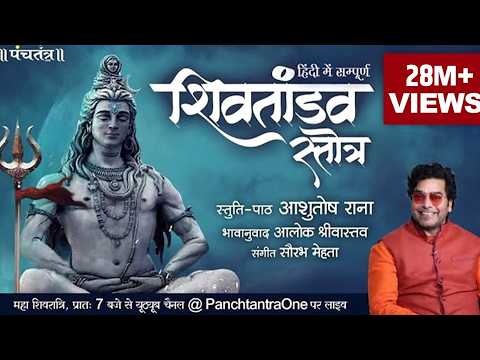
The Shiv Tandav Stotra, composed by Ravana, is a powerful hymn dedicated to Lord Shiva, celebrating his divine attributes and cosmic significance. This blog post delves into the origins, themes, and spiritual significance of the Stotra, highlighting its importance in Hindu devotion and culture.
The Shiv Tandav Stotra is a revered hymn that holds a significant place in Hindu devotion, particularly among the followers of Lord Shiva. Composed by the demon king Ravana, this Stotra is a powerful expression of devotion and reverence towards the Supreme Being, Mahadev. In this blog post, we will explore the origins, themes, and spiritual significance of the Shiv Tandav Stotra, shedding light on its importance in Hindu culture and spirituality.
The Shiv Tandav Stotra is said to have been composed by Ravana, the king of Lanka, who was a devout follower of Lord Shiva. According to Hindu mythology, Ravana was not only a powerful ruler but also a great scholar and musician. His devotion to Shiva was so profound that he composed this Stotra to praise the Lord's divine attributes and to seek his blessings. The Stotra is traditionally recited during auspicious occasions, especially during Mahashivaratri, a festival dedicated to Lord Shiva.
The Shiv Tandav Stotra is rich in imagery and symbolism, celebrating various aspects of Lord Shiva's nature. Here are some key themes:
The hymn begins by acknowledging Lord Shiva as the creator and destroyer of the universe. It describes his cosmic dance, known as Tandava, which symbolizes the cycle of creation, preservation, and destruction. This dance is a representation of the dynamic nature of the universe and the balance between opposing forces.
Throughout the Stotra, Ravana extols the divine qualities of Lord Shiva, such as his strength, wisdom, and compassion. The verses highlight Shiva's role as the protector of the universe and the remover of obstacles. The repetition of phrases like "Shiv Shiv" emphasizes the omnipresence and omnipotence of the Lord.
A significant aspect of the Shiv Tandav Stotra is the expression of devotion and surrender to Lord Shiva. Ravana's heartfelt prayers reflect the deep yearning for divine connection and the desire for spiritual enlightenment. The Stotra serves as a reminder of the importance of humility and devotion in the pursuit of spiritual growth.
The Shiv Tandav Stotra is not just a poetic composition; it holds profound spiritual significance for devotees. Reciting this hymn is believed to invoke the blessings of Lord Shiva, bringing peace, prosperity, and protection to the devotee. It is often chanted during rituals and prayers, especially during the night of Mahashivaratri, when devotees seek to deepen their connection with the divine.
The Shiv Tandav Stotra has transcended its religious roots to become a cultural symbol of devotion in India. It has inspired countless artists, musicians, and dancers, leading to various interpretations in classical music and dance forms. The Stotra's rhythmic and lyrical beauty continues to resonate with people, making it a timeless piece of spiritual literature.
The Shiv Tandav Stotra is a magnificent tribute to Lord Shiva, encapsulating the essence of devotion, cosmic power, and spiritual awakening. Composed by Ravana, this hymn serves as a reminder of the importance of surrendering to the divine and recognizing the interconnectedness of all beings. As millions of devotees recite this Stotra, they not only honor Lord Shiva but also embrace the profound teachings embedded within its verses, fostering a deeper understanding of spirituality and devotion in their lives.



















