
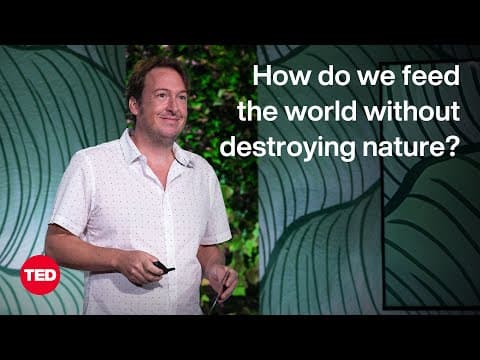
Andy Jarvis discusses the urgent need for sustainable food production to feed a growing global population, emphasizing the role of alternative proteins, government support, and innovation in creating a diverse and nutritious food system without harming the environment.
In a world where the population is projected to reach 10 billion by 2050, the challenge of providing affordable, nutritious, and sustainable food is more pressing than ever. Andy Jarvis, the director of the future of food, explores how we can meet this challenge without destroying nature.
Protein is a fundamental component of human life, with over 100,000 different types present in our bodies. However, our increasing demand for protein, particularly from animal sources, is having a detrimental impact on the environment.
To address these challenges, Jarvis advocates for the development and adoption of alternative proteins. These can be categorized into three main types:
Plant-based alternatives, such as burgers made from soybeans or bacon from peas, are already available on the market. These products have a significantly lower environmental footprint in terms of emissions and land use.
Fermentation is an ancient practice that can be harnessed to create new types of protein using microalgae, microbes, and fungi. This method has the potential to produce protein from unconventional sources, including air.
Cultivated meat involves reproducing animal cells to create meat-like products. Jarvis shares his experience tasting cultivated beef steak, which closely resembles traditional meat in taste and texture. This innovative approach could revolutionize meat production, but it faces challenges such as high production costs (around $40 per pound) and the need for scalable solutions.
Despite the promise of alternative proteins, several issues need to be addressed:
Jarvis emphasizes the need for government support to level the playing field for alternative proteins. Currently, hundreds of billions of dollars are spent on subsidies for animal agriculture, which continues to rise. Redirecting some of this funding to the alternative protein sector could make these products more affordable and appealing to consumers.
Singapore serves as a model for how governments can support alternative proteins. The country was the first to regulate cultivated meat, allowing it to be sold in supermarkets. By investing in innovation and creating a supportive ecosystem for startups, Singapore has positioned itself as a leader in the alternative protein space.
The future of food should not be about choosing one solution over another. Instead, it should embrace a variety of options that cater to diverse cultures, preferences, and budgets. Jarvis advocates for a holistic approach that includes:
Ultimately, the goal is to provide consumers with a wide range of sustainable, affordable, and healthy food choices. This approach respects individual preferences and dietary needs while addressing the urgent challenges of food security and environmental sustainability.
As we look to the future, it is clear that everyone has a role to play in shaping a sustainable food system. The choices we make today regarding food production and consumption will have lasting impacts on our planet and future generations. By embracing innovation, supporting alternative proteins, and fostering collaboration, we can work towards a food system that nourishes both people and the planet.



















