Since March, around 16,000 restaurants have permanently closed, with 15 major U.S. chains facing serious troubles including bankruptcies, declining sales, and operational challenges. Private equity ownership, rising costs, declining quality, and strategic missteps have led to closures and customer loss across brands like Panda Express, Dairy Queen, Cracker Barrel, Five Guys, Olive Garden, Applebee's, Little Caesars, Hooters, Golden Corral, Denny's, TGI Fridays, Red Lobster, Ruby Tuesday, Boston
Restaurants across the United States are facing unprecedented challenges. Since March, an estimated 16,000 restaurants have permanently closed their doors. Among these, 15 popular American restaurant chains are currently in serious trouble, with some filing for bankruptcy and others experiencing sharp declines in sales and customer traffic.
This article explores the struggles of these chains, revealing a common pattern of rising costs, declining quality, and financial maneuvers by private equity firms and executives that have left many beloved brands on the brink.
The crisis is not random but follows a clear pattern:
This cycle has led to a "massacre" in the restaurant industry, with many chains struggling to survive.
Despite busy locations and long lines, Panda Express is facing internal turmoil. A class action lawsuit revealed that employees were required to participate in inappropriate and psychologically abusive training exercises involving stripping down to underwear and hugging partially clothed coworkers to qualify for promotions. Additionally, the chain settled a lawsuit over hidden delivery fees, where customers were charged undisclosed service fees.
This shows that outward appearances can be deceiving; a restaurant can look healthy but be falling apart internally.
Dairy Queen, a nostalgic summer staple, has seen 40 locations in Texas close abruptly. A franchise operator owning 38 locations could not afford corporate-mandated renovations and was blocked from selling the stores. Corporate responded by cutting off supply shipments, effectively shutting down these locations overnight without notice.
Owned by Berkshire Hathaway, Dairy Queen's closures highlight corporate decisions driven by financial spreadsheets rather than community impact.
Known for its rocking chairs and candy shops, Cracker Barrel faced backlash after changing its logo in 2025, leading to an 8% drop in customer traffic and a 27% stock decline. The company also closed 14 Maple Street Biscuit Company locations, a brand it acquired in 2019.
Prices have increased by 30% since 2019, and the quality and soul of the brand are perceived to have diminished significantly.
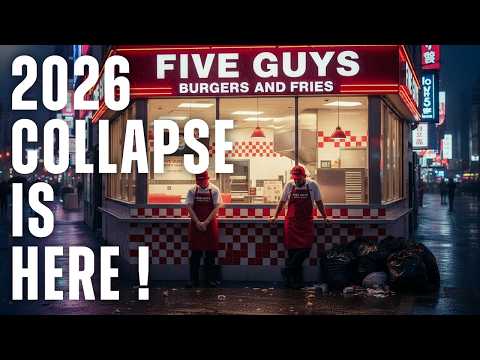
Once known for generous portions and quality burgers, Five Guys has seen prices soar. A viral receipt showed a bacon cheeseburger, fries, and a drink costing $24.10, which many customers found excessive compared to competitors like McDonald's or Wendy's.
The rising cost of beef partly explains the price hikes, but customers are increasingly questioning the value.
Olive Garden, famous for its unlimited breadsticks and soup, has seen a decline in quality and portion sizes. Parent company Darden Restaurants, with $12.1 billion in revenue, spent heavily on stock buybacks while closing 22 restaurants and raising prices.
Former employees note that the brand has moved away from its made-from-scratch roots, leading to customer dissatisfaction.
Applebee's has lost 37 restaurants in a year and experienced seven consecutive quarters of declining same-store sales. Rising costs have made some franchise locations unsustainable.
The company’s turnaround plan involves merging Applebee's and IHOP locations into shared buildings, a strategy critics liken to two sinking ships holding onto each other.
Known for its $5 "Hot-N-Ready" pizzas, Little Caesars franchises require over $1 million to open but generate less than that annually, leading to losses for franchisees.
The parent company, Ilitch Holdings, benefits financially while franchise operators bear the losses. Closures in low-income neighborhoods reduce access to affordable meals.
Hooters filed for bankruptcy in 2025 and is attempting to rebrand as family-friendly dining, a confusing pivot given its brand identity. The chain carries $376 million in debt and has seen a 15% sales decline since 2018.
Private equity ownership loaded the chain with debt and extracted management fees, leading to bankruptcy.
Golden Corral, known for its all-you-can-eat buffet, was severely impacted by COVID-19 restrictions against self-serve dining. Two major franchisees filed for bankruptcy, with one owing nearly $50 million in unsecured debt.
The company plans to convert many locations to cafeteria-style service, abandoning the buffet concept that defined the brand.
Denny's has closed between 70 and 90 locations since 2024, with same-store sales dropping nearly 3%. A viral video showed customers cooking their own food due to severe understaffing.
In late 2025, Denny's was sold to a private equity consortium for $620 million, adding $335 million in new debt, a move seen as a financial burden rather than a rescue.
Once a vibrant Friday night destination, TGI Fridays has shrunk from 600 to fewer than 80 locations. The chain filed for bankruptcy in 2024, burdened by debt from private equity ownership.
The company plans to focus on international expansion while abandoning the U.S. market.
Red Lobster was a go-to affordable luxury seafood restaurant. In 2014, private equity firm Golden Gate Capital bought it and sold the real estate of over 600 locations in a sale-leaseback deal, forcing the company to pay $190 million annually in rent.
The chain filed for bankruptcy in 2024, closing 130 locations and laying off hundreds of employees. Promotions like unlimited shrimp accelerated financial losses.
Ruby Tuesday, once a staple in American strip malls, has declined from 945 to around 200 locations. The chain filed for bankruptcy in 2020 and has been steadily losing ground.
In contrast, competitors like Chili's have seen sales growth, highlighting Ruby Tuesday's failure to deliver value.
Boston Market collapsed dramatically, dropping from 300 locations in 2023 to fewer than 20 by early 2025. The owner, J. Pandya, faced over 150 lawsuits for unpaid bills and wage violations.
Locations closed abruptly without notice, leaving workers unpaid. The brand now allows anyone to use its name without fees or quality standards, effectively becoming a scam mechanism.
Fat Brands owns 18 chains including Fatburger, Johnny Rockets, and Round Table Pizza, with over 2,000 locations. In January 2026, it filed for Chapter 11 bankruptcy with $1.45 billion in debt and only $2.1 million cash on hand.
CEO Andy Wiederhorn, previously convicted of tax fraud, has been accused of using the company as a personal financial resource, spending millions on luxury items while the business declined.
The company lost 96% of its stock value, closed dozens of locations, and is embroiled in legal battles.
The downfall of these 15 major U.S. restaurant chains reveals a troubling pattern:
These stories are not just about business failures but about the erosion of cultural and social institutions that many Americans grew up with.
If you have noticed these changes in your local restaurants, you are witnessing a significant shift in the American dining landscape.
You did not fail these restaurants; they failed you first.