Governments can unintentionally harm economic growth through overtaxation, excessive or insufficient regulation, lack of investment in key areas, failure to enforce contracts, and weak welfare systems. Understanding these pitfalls is crucial for effective economic policy.
In the previous discussion, we explored how governments strive to stimulate economic growth by enhancing productivity. However, there are instances where government actions can backfire, leading to detrimental effects on the economy. This article delves into five specific ways in which government policies can impede economic growth.
Taxation is a fundamental tool for governments to fund public goods and services. While necessary, excessive taxation can create disincentives that discourage investment and economic activity. Here are two significant ways in which overtaxation can harm economic growth:
When the government imposes taxes, such as a gasoline tax, the immediate assumption might be that the burden falls solely on businesses. However, businesses often pass these costs onto consumers. For instance, if a gas station faces a 50-cent tax per gallon, it may raise gas prices, ultimately shifting the tax burden to consumers. Policymakers must consider the incidence of taxes and how they affect consumer prices.
High taxes can drive businesses to relocate to countries with lower tax rates. A notable example is Google, which shifted $23 billion to Bermuda to avoid the U.S. corporate income tax rate of 21%. This trend highlights the importance of carefully evaluating tax policies to avoid deterring investment and economic activity.
Government regulation can significantly influence economic dynamics, with both positive and negative outcomes.
Excessive regulation can stifle competition and innovation. Smaller companies often struggle to comply with costly regulations, leading to fewer market participants and higher prices for consumers. Additionally, increased bureaucracy can result in inefficiency and corruption, further burdening the economy.
Conversely, insufficient regulation can also harm economic growth. Regulations can establish industry standards that enhance product quality and consumer safety. For example, strict food processing regulations help ensure that consumers can trust packaged food products. Moreover, regulations can prevent monopolistic practices, fostering a competitive marketplace.
Governments play a crucial role in fostering economic growth by investing in infrastructure, education, and technology. Failure to allocate resources to these areas can exacerbate wealth inequality and hinder overall economic progress. Public investments in major projects and educational programs are essential for creating a robust economic foundation.
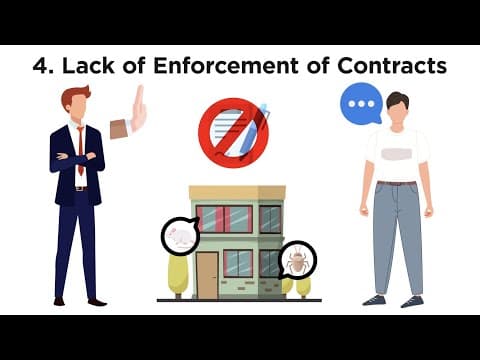
The enforcement of contracts is vital for economic stability. Governments provide the legal framework that protects private property and ensures that agreements are honored. Without contract enforcement, individuals face significant risks. For instance, if a tenant has a verbal agreement with a landlord but no legal recourse for maintenance issues, they may be left vulnerable. A reliable legal system encourages consumers to engage in economic activities, knowing that their rights are protected.
A strong welfare system is essential for economic resilience. It creates a safety net that allows individuals to navigate economic hardships without facing dire consequences. For example, unemployment compensation helps individuals who lose their jobs unexpectedly, preventing them from falling into poverty. A robust welfare system promotes a risk-sharing economy, where the financial burdens are distributed across the population, fostering stability and growth.
In summary, while governments aim to promote economic growth, their actions can sometimes have the opposite effect. Overtaxation, excessive or insufficient regulation, lack of investment in critical areas, failure to enforce contracts, and weak welfare systems can all hinder economic progress. Understanding these pitfalls is crucial for developing effective economic policies that support sustainable growth.