
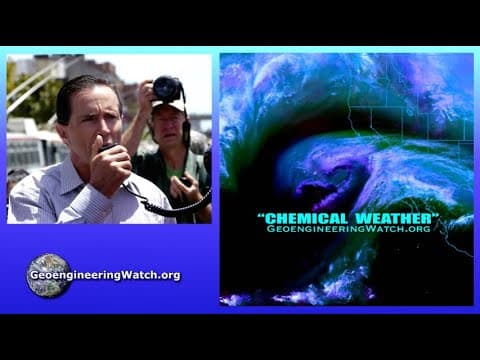
This blog post discusses the alarming rise of geoengineering practices, legislative responses, and the potential consequences of climate manipulation. It highlights recent developments in weather modification legislation, the role of government and media in perpetuating misinformation, and the urgent need for public awareness and action against climate engineering.
In recent years, the topic of geoengineering has gained significant attention as concerns about climate manipulation and its implications for the planet have escalated. This blog post delves into the current state of geoengineering practices, legislative responses, and the potential consequences of these actions on our environment and society.
The concept of geoengineering involves deliberate large-scale interventions in the Earth’s climate system to counteract climate change. This includes methods such as solar radiation management and carbon dioxide removal. However, the ethical implications and potential unintended consequences of these practices have sparked intense debate.
Recently, a Florida Republican lawmaker introduced legislation aimed at banning weather engineering within the state. Senator Leah Garcia's bill, known as S sp56, seeks to prohibit chemical and technological methods used to manipulate weather patterns, temperature, or sunlight intensity. This move reflects rising concerns over climate manipulation and the need for regulatory measures to protect the environment.
The legislation specifically targets the injection or dispersion of chemicals into the atmosphere for the purpose of altering weather conditions. While some may argue that such laws are difficult to enforce, they play a crucial role in raising awareness about the ongoing climate engineering debate.
Despite the growing body of evidence supporting the existence of geoengineering practices, many mainstream media outlets continue to downplay or deny these activities. Reports often frame geoengineering as a conspiracy theory rather than a pressing reality. This narrative not only misleads the public but also hinders efforts to address the issue effectively.
For instance, a recent article from The New York Times discussed the U.S. government's development of an early warning system to detect geoengineering efforts by other countries. Critics argue that this is an absurd response when the visible signs of geoengineering, such as altered cloud patterns and persistent contrails, are evident to anyone observing the skies.
The potential consequences of geoengineering are profound and far-reaching. Experts warn that solar geoengineering could lead to unintended effects, such as disrupting regional weather patterns and damaging agriculture and local economies. The ongoing manipulation of weather systems raises critical questions about the long-term viability of such interventions.
Research indicates that the atmospheric aerosol content has doubled in recent years, contributing to significant changes in weather patterns. The introduction of toxic nanoparticles into the atmosphere poses risks not only to the environment but also to human health. Studies have shown that exposure to these substances can lead to severe health issues, including respiratory problems and other chronic conditions.
As the situation continues to evolve, it is imperative for the public to become more informed about geoengineering and its implications. Raising awareness is crucial in fostering a critical mass of understanding that can drive legislative and societal change. Organizations like geoengineeringwatch.org are working tirelessly to provide credible information and resources to help individuals engage in this vital conversation.
The fight against climate engineering requires collective action. Individuals are encouraged to share information, engage in discussions, and advocate for transparency and accountability in government practices. By fostering awareness and understanding, we can work towards halting harmful geoengineering operations and protecting our planet for future generations.
The issue of geoengineering is complex and multifaceted, encompassing environmental, ethical, and societal dimensions. As we navigate this critical juncture, it is essential to remain vigilant and proactive in addressing the challenges posed by climate manipulation. Together, we can strive for a sustainable future and ensure that our planet is preserved for generations to come.



















