
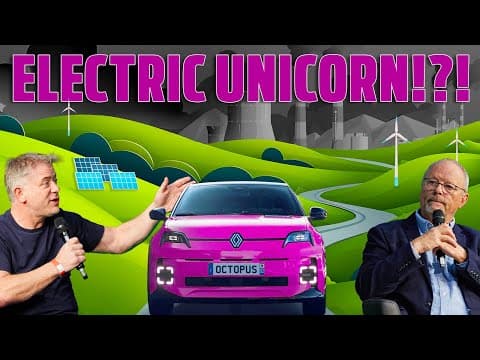
Greg Jackson, CEO of Octopus Energy, shares insights on the rapid energy transition, the role of electric vehicles, and the need for market reforms to facilitate a cleaner energy future. He emphasizes the importance of consumer engagement and the shift towards renewable energy sources, while addressing challenges faced by the fossil fuel industry.
In a recent discussion, Greg Jackson, the founder and CEO of Octopus Energy, shared his insights on the rapid emergence of his company and the broader energy transition. With nearly nine years of experience in the industry, Jackson reflected on the journey of Octopus Energy and the inevitable shift towards renewable energy sources.
Jackson expressed a mix of excitement and apprehension about the rapid growth of Octopus Energy. He noted that the company was able to capitalize on the inevitable energy transition due to its lack of legacy systems. This allowed them to focus on building a global transition to renewable energy that is both cheaper and faster than many recognize.
One of the key points Jackson made was the dramatic decrease in the costs of wind, solar, and battery technologies, which have been falling at an astonishing rate of 133% per year. This trend indicates that renewable energy is not just a viable option but is becoming the dominant choice for the future.
When asked about public acceptance of electric vehicles (EVs) and renewable energy, Jackson acknowledged that there was initial resistance, similar to what was seen with electric cars. However, he noted that as people began to experience the benefits of EVs, such as lower running costs and improved performance, their perceptions changed significantly.
Jackson described electric vehicles as a transformative force in the energy transition. He referred to them as the "gateway drug" to renewable energy, as many consumers who adopt EVs often start exploring other renewable options, such as solar panels and heat pumps. This interconnectedness between electric vehicles and renewable energy sources is crucial for accelerating the transition away from fossil fuels.
Jackson highlighted the existential threat that the rise of electric vehicles poses to the fossil fuel industry. He expressed sympathy for those in the fossil fuel sector who face the daunting task of transitioning their business models. However, he emphasized that the transition to clean energy must not be hindered by attempts to protect outdated technologies.
A significant part of Jackson's message was the need for market reforms to facilitate the energy transition. He criticized current energy market structures that do not reflect the realities of renewable energy generation. For instance, he pointed out that the UK energy market operates on a single national price, which does not account for regional variations in energy supply and demand.
Jackson shared his observations from a recent trip to China, where he witnessed the rapid advancement of renewable energy technologies. He noted that China is now leading the world in renewable energy production, with 59% of all new renewable energy built globally last year occurring there. This shift is driven by the understanding that renewable energy is essential for maintaining industrial competitiveness.
He also remarked on the significant improvements in air quality in Chinese cities, contrasting it with the pollution levels in Western cities. This change underscores the benefits of transitioning to renewable energy sources, not just for the environment but also for public health.
Looking ahead, Jackson expressed optimism about the future of energy, particularly with the decreasing costs of solar panels and electric vehicles. He emphasized the importance of making clean energy solutions accessible and affordable for all consumers.
Jackson urged consumers to engage with the energy transition by adopting electric vehicles and supporting renewable energy initiatives. He stressed that the responsibility for the transition should not fall solely on individuals but also on companies and governments to create an environment that fosters clean energy solutions.
In conclusion, Greg Jackson's insights provide a compelling perspective on the energy transition. As Octopus Energy continues to innovate and push for market reforms, the path towards a cleaner, more sustainable energy future becomes increasingly clear. The integration of electric vehicles, renewable energy sources, and supportive policies will be crucial in overcoming the challenges posed by the fossil fuel industry and ensuring a successful transition to a greener economy.



















