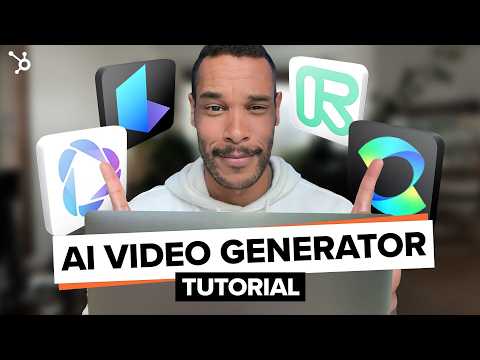
This blog post explores the best text-to-video AI tools available, providing a step-by-step guide on how to create engaging video content for businesses. It covers tools like Runway, Kling AI, and HeyGen, and offers practical tips for integrating AI into content strategies.
In today's digital landscape, the ability to create engaging video content quickly and affordably is essential for businesses. Text-to-video AI tools have emerged as powerful resources that can transform simple ideas into professional-looking videos in a fraction of the time and cost. This guide will walk you through the best tools available and provide a step-by-step process for leveraging these technologies to enhance your content strategy.
Before diving into the creation process, let's explore some of the leading text-to-video AI tools currently available:
Each of these tools has unique strengths, but the real magic occurs when they are combined in a cohesive workflow.
Start by using an AI writing tool like ChatGPT or Claude to refine your initial idea into a compelling script or description. For example, you might prompt:
"Write a 30 second text script for a promotional video about the Damley water bottle. Highlight its eco-friendly materials, leak-proof design, and convenient carry handle. The tone should be modern and informative, targeting environmentally conscious consumers."
This step serves as the foundation for your video, ensuring clarity and direction.
Next, utilize tools like DALL-E or Midjourney to generate stunning visuals based on your text. For instance, you could prompt DALL-E:
"Generate images of the Damley water bottle in various settings, outdoor adventures, at the gym, and in everyday use. The design should highlight its eco-friendly materials and sleek modern style."
Choose the most relevant images to enhance your video.
Now, bring your static images to life using Runway. You might use a prompt like:
"Animate the Damley water bottle showcasing its features used outdoors, including a leak-proof cap and carry handle."
Experiment with Kling AI and Luma Dream Machine to see how they handle this step, as you may need to iterate several times to achieve the desired output.
No video is complete without captivating audio. Use an AI voice generation tool like Eleven Labs to create a voiceover based on your script. For background music, consider using an AI music generation tool like MusicFX with a prompt such as:
"Generate calm, relaxing, background music with an eco-friendly natural vibe. The music should be upbeat but not overpowering and fit with a 30 second promotional video for a water bottle."
Download and add these audio files to your project folder for the final edit.
Bring all elements together in a video editing software like Adobe Premiere Pro. While this step can also be aided by AI tools for pacing and transitions, focus on making final edits to ensure a polished product.
The workflow outlined above can be applied in various ways to benefit small businesses:
HeyGen is an excellent tool for producing presenter-led videos quickly. Users can choose from a range of preset creators or even clone themselves to create personalized content. For instance, you can type in a script, and the tool will generate a complete video without the need for traditional recording equipment.
When using AI tools for content creation, keep these best practices in mind:
In conclusion, we have explored the top text-to-video AI tools and provided a comprehensive workflow for creating professional video content. The key to success lies in experimentation—don't hesitate to mix and match different tools to find the perfect combination for your needs.
If you have used any AI tools for your business, share your experiences in the comments. Additionally, download our free generative AI ebook for more tips to enhance your content creation process. Remember to like and subscribe for more insights on marketing tools to help grow your small business.