
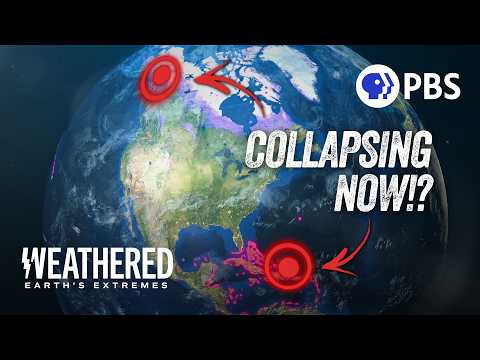
The episode explores the alarming rise in global temperatures and its impact on coral reefs and permafrost, highlighting the urgent need for action to prevent crossing critical climate tipping points. Despite the dire situation, there is hope in the rapid adoption of renewable energy technologies.
In a recent episode of Weathered: Earth’s Extremes, host Maya Ma investigates the alarming rise in global temperatures and the potential crossing of critical climate tipping points. With record sea surface temperatures and unprecedented coral bleaching events, the episode sheds light on the urgent need for action to mitigate climate change.
The episode opens with a striking observation: water temperatures near Key Largo, Florida, reached a staggering 101 degrees Fahrenheit. This extreme heat poses a significant threat to coral populations, which are already under stress from climate change. Coral reefs, vital ecosystems that support marine biodiversity, are facing unprecedented challenges due to rising ocean temperatures.
Maya Ma emphasizes that this summer is unlike any other in her 30 years of experience, with heat waves affecting vast areas globally. The warming oceans contribute to stronger hurricanes, changes in ocean patterns, and coral bleaching, all interconnected phenomena that highlight the urgency of the climate crisis.
For the past 10,000 years, Earth's climate has been relatively stable, allowing human civilization to flourish. However, this stability is now threatened by climate tipping points—critical thresholds that, once crossed, can lead to irreversible changes in our environment. The decisions made in the coming years will significantly impact our climate future.
Tim, a climate scientist featured in the episode, explains that a tipping point is a threshold in the climate system that, if crossed, can lead to major and potentially irreversible changes. Key areas of concern include:
In Florida, scientists and conservationists are undertaking the largest coral rescue attempt in history. They are removing coral individuals from the ocean to protect them from the extreme heat, allowing them to survive in onshore nurseries. This effort aims to preserve biodiversity and support coral recovery.
Coral bleaching occurs when temperatures rise above critical thresholds, causing corals to expel the symbiotic algae that provide them with nutrients. The episode highlights that coral bleaching is becoming more frequent, making it increasingly difficult for coral populations to recover.
The episode also explores the situation in Fairbanks, Alaska, where permafrost is thawing at an alarming rate. This frozen ground contains vast amounts of carbon, and as it thaws, it releases more carbon into the atmosphere, exacerbating climate change. The 2023 fire season in Canada, which burned millions of acres, further threatens permafrost by exposing it to rising temperatures.
Scientists are studying the effects of wildfires on permafrost, comparing burned and unburned landscapes to understand the impact on carbon emissions. The findings indicate that disturbances to the ecosystem can trigger feedback loops that accelerate permafrost thawing.
As the episode progresses, it becomes clear that the consequences of climate change are dire. Coral reefs are experiencing unprecedented bleaching events, and many populations may have already crossed tipping points. The episode concludes with a somber reflection on the state of coral reefs and the urgent need for action to prevent further degradation.
Despite the alarming trends, there is a sense of hope. The episode highlights the rapid adoption of renewable energy technologies, such as solar and wind power, which could help mitigate climate change. Tim notes that while we face significant risks from climate tipping points, we are also witnessing the rise of positive tipping points in clean energy adoption.
The episode emphasizes the importance of reaching net-zero emissions by mid-century to prevent catastrophic climate impacts. With the right actions and innovations, there is still a chance to confront the global climate crisis effectively.
The episode of Weathered: Earth’s Extremes serves as a wake-up call about the critical state of our planet. As we face the reality of climate tipping points, it is essential to understand the interconnectedness of our ecosystems and the urgent need for collective action. While the challenges are immense, the potential for positive change through renewable energy and innovation offers a path forward. The next episode promises to explore how we can adapt to these changes and ensure a sustainable future for generations to come.



















