
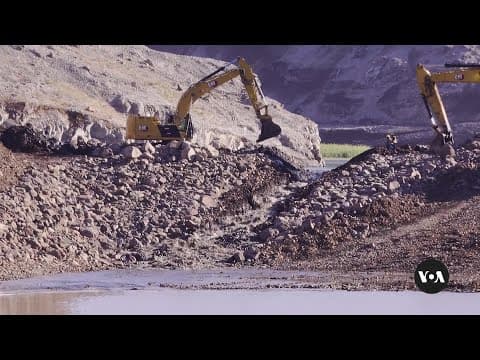
The removal of four hydroelectric dams on the Klamath River, the largest river restoration project in U.S. history, aims to revive the ecosystem and support indigenous communities, particularly salmon populations that have drastically declined due to dam construction.
Last week, a significant milestone was reached in the long-standing efforts to restore the Klamath River ecosystem. A demolition crew successfully breached the Iron Gate Dam, marking the removal of the last of four hydroelectric dams on the river. This event is part of the largest river restoration project ever undertaken in the United States, aimed at reviving an ecosystem that has been severely impacted over the past century.
The Klamath River stretches approximately 400 kilometers from Oregon to the California coast. Historically, it supported diverse wildlife and indigenous communities, providing essential resources and a thriving environment. However, the construction of dams along the river has led to significant ecological degradation, particularly affecting salmon populations that once flourished in these waters.
Indigenous communities have been at the forefront of the battle to protect the Klamath River and its resources. For decades, they have advocated for the removal of the dams, emphasizing the sacredness of their waterways and the need to restore the natural flow of the river. One tribal member expressed the hope of witnessing salmon return to their homelands, stating, "I hope to live long enough to see a salmon come swimming by my home in Chiloquin."
The removal of the dams is seen as a victory for these communities, who have traveled great distances to protest and advocate for the river's restoration. The owner of the dams, Pacific Corp, ultimately agreed to the removal rather than incur the costs of environmental upgrades, paving the way for this historic project.
The draining of the dams' reservoirs began in January, revealing over 1,100 hectares of land that the state of California has pledged to return to the Shasta Indian Nation, the original inhabitants of the area. In a collaborative effort, teams composed mostly of tribal members have started planting native seeds in the former lake beds, working to restore habitats for returning fish and other wildlife.
The removal of the dams not only signifies ecological restoration but also offers a chance for communities that have historically clashed over water resources to rebuild relationships. As one community member noted, it is essential to recognize the interdependence of all parties involved in the stewardship of the river.
While the celebration of this achievement is palpable, many acknowledge that a fully restored Klamath ecosystem is still years away. The journey towards ecological recovery and community reconciliation is just beginning, but the removal of the dams marks a hopeful turning point for the Klamath River and its surrounding communities.
In conclusion, the historic removal of the Klamath River dams represents a significant step towards ecological restoration and the revitalization of indigenous cultures that have long depended on this vital waterway. The commitment to restoring the river and its ecosystems reflects a broader understanding of the importance of environmental stewardship and the need to honor the sacredness of natural resources.



















