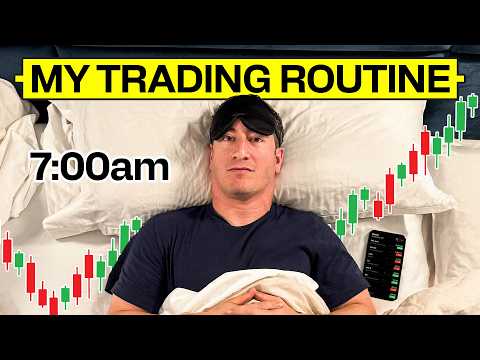
Lance Brightstein, a top Wall Street trader with over $100 million in verified profits, shares his 15-year morning routine that helped him maintain peak performance. His routine emphasizes waking naturally, morning sunlight, avoiding early market checks, structured preparation, focused deep work, daily reviews, and balancing work with health and downtime to sustain long-term success.
Lance Brightstein, one of Wall Street's top traders with over $100 million in verified trading profits, reveals the exact morning routine he has followed for 15 years. This routine, while seemingly boring, has been instrumental in helping him survive, perform, and compound results in one of the most mentally demanding professions on Earth.
Lance starts his day at 7 a.m., always trying to wake up without an alarm clock. He believes that if you need an alarm clock, your body probably needs more sleep and you should go to bed earlier. After waking, he goes to his balcony to get morning sunlight, which is crucial for setting his circadian rhythm. To ensure he gets this sunlight, he uses a "brick tool" to lock his phone from 9 p.m. until he unlocks it in the morning, preventing late-night phone use that can disrupt sleep.
One of Lance's most important morning rules is to avoid checking the markets immediately unless he has significant exposure he's worried about. He relies on alerts and his trading pod to notify him of any critical market events. This helps him maintain a calm and focused mindset in the morning.
After his sunlight exposure, Lance showers, emphasizing the importance of soap and deodorant, especially for traders who might neglect personal care. He then brushes his teeth and dresses in activewear to prepare for a gym session later in the day. His breakfast is usually consistent, typically an omelette with a couple of eggs, which he humorously notes he can afford even in tough economic times.
Previously, Lance would walk to work around 8 a.m., enjoying exercise and listening to pump-up music while browsing headlines. Now, with a more comfortable setup, he still values the morning walk for mental preparation.
During this time, he reviews the previous day's tickers, earnings, IPOs, macro events, upgrades, downgrades, and anything that could move stocks. He builds a watch list of stocks with news catalysts, unusual moves, and volume, marking key technical levels and setting alerts to avoid missing important opportunities.
Lance outlines what an effective daily routine for traders should accomplish:
He stresses that no routine helps if it is too complex or miserable to follow.
To operate at an elite level, Lance minimizes decisions outside of trading, such as clothing, meals, and schedules. Research shows decision fatigue is real and can impair rule-following and system execution. Standardizing routines helps conserve mental energy for trading decisions.
By 9:00 a.m., Lance performs a "temp check" and starts his daily report card. He asks himself brutally honest questions about his physical and emotional state, grading himself from F to A. This grade determines his risk level for the day:
This adaptive risk management is key to professional trading success.
At around 9:20 a.m., Lance locks in with no distractions and puts his phone away. He chooses one single goal for the day that will have the biggest impact on his trading performance, such as "don't fight the trend" or "increase risk by 5%." He visualizes and repeats this goal to embed it in his consciousness, helping him stick to it during emotional moments.
When markets open, he is fully engaged, typing up filters and watch lists, and taking trades that fit his playbook.
By 10:00 a.m., trading activity slows, and Lance shifts to a more passive mode, updating alerts and scanners, and monitoring news without forcing trades. He takes intentional focus breaks to stretch or hydrate, checking in with his daily report card to catch any signs of rushing or frustration early.
Around noon, he leaves the desk for a quick lunch outside, enjoying fresh air and a mental reset. Despite the fear of missing out, he finds his performance improves in the afternoon after this break.
During slow market periods, Lance avoids distractions like Netflix or phone use. Instead, he reviews trades, studies charts, or brainstorms new projects, always asking, "How do I get 1% better today?" This habit of compounding progress over time has served him well.
At 3:40 p.m., Lance locks back in for the market close, watching closing imbalances and preparing for after-hours earnings. After the close, he takes a short mental break before starting his daily review and completing his report card around 4:30 p.m.
This review helps him learn from mistakes, identify key moments to rewatch, and plan actions for the next day.
At 5:00 p.m., Lance heads to the gym, a passion of his, especially weightlifting and powerlifting. He enjoys tracking steady progress and physical performance.
From 6:00 p.m. to 9:00 p.m., he allows himself guilt-free downtime with no charts, emails, or markets, spending time with friends, eating dinner, and unwinding.
Finally, after dinner, he dedicates about an hour to focused work on his number one trading constraint before shutting down his phone and relaxing with a show or book, aiming to be asleep by 11 p.m.
Lance emphasizes that his routine becomes even more critical on big trading days or after bad days. Many traders get anxious and ruminate, but sticking to his habits helps him stay calm and collected.
Routines help the body and mind find a groove, making execution easier over time. Like returning to the gym after a break, routines become autopilot with consistency.
He reminds readers to give themselves breaks, vacations, and days off. The routine is not about working the most hours but creating a sustainable structure to perform at the best level for years without burnout.
This approach is how real trading careers are built.
Lance Brightstein's disciplined and thoughtful morning routine offers valuable insights for traders and professionals seeking to optimize performance, manage stress, and build long-term success through consistency and self-awareness.