
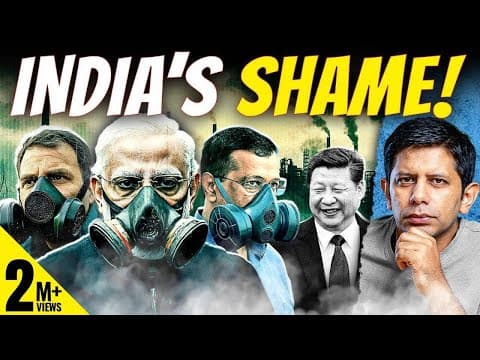
This blog post explores how China successfully reduced air pollution in Beijing, contrasting it with India's ongoing struggles with pollution, particularly in Delhi. It discusses the scientific understanding of pollution, its health impacts, and the need for comprehensive policy changes in India to combat this crisis effectively.
Beijing, the capital of China, is now known for its clean air and blue skies, with an Air Quality Index (AQI) averaging around 60. In stark contrast, Delhi often experiences AQI levels soaring to 400 or even 500, making morning walks a painful experience for its residents. This transformation in Beijing's air quality is remarkable, especially considering that just a decade ago, the city was infamous for its severe pollution crisis.
In December 2015, Beijing was engulfed in a black cloud of pollution, prompting the government to issue red alerts. International media dubbed it an "airpocalypse." However, in just ten years, PM2.5 levels in Beijing dropped by 60%, and the number of clean air days increased from 13 in 2013 to over 300 in 2023. This raises the question: if China can overcome such a severe pollution crisis, why is India, particularly Delhi, still struggling?
Air pollution is a complex issue that affects not just Delhi but cities across India. In 2021, pollution-related health issues led to the deaths of 170,000 children under five in India, highlighting the urgent need for action. The pollutants, particularly PM2.5, are microscopic particles that can penetrate deep into the lungs and enter the bloodstream, causing severe health problems.
Delhi's pollution stems from various sources, including:
Despite these sources, cities like Chennai manage to maintain lower pollution levels. This discrepancy can be attributed to geographical factors and seasonal weather patterns that trap pollutants in the Indo-Gangetic plain, particularly during winter months.
The consequences of air pollution are dire. According to the Energy Policy Institute of the University of Chicago, residents of Delhi NCR lose approximately 12 years of life expectancy due to pollution. The World Health Organization has linked pollution to numerous health issues, including heart disease, respiratory infections, and lung cancer. In 2021 alone, 2.1 million Indians died from pollution-related conditions.
Despite the alarming statistics, pollution remains a low priority for politicians, who often engage in blame games rather than addressing the root causes. The focus should shift from political rhetoric to implementing effective policies.
China faced similar geographical and meteorological challenges as India but managed to implement a comprehensive action plan. Key steps included:
In 2017, China invested 18 billion yuan (approximately 2.5 billion dollars) to combat pollution, demonstrating a commitment to long-term solutions.
India needs a similar comprehensive approach to tackle air pollution. This includes:
Ultimately, the responsibility does not lie solely with the government. Citizens must demand accountability and push for political will to address pollution. Engaging in discussions, voting on environmental issues, and holding leaders accountable are crucial steps toward change.
The air pollution crisis in India, particularly in Delhi, is a pressing issue that requires immediate and sustained action. By learning from China's successful strategies and fostering a collaborative effort between citizens and policymakers, India can work towards a cleaner, healthier future. Without a comprehensive and proactive approach, the people of Delhi and other polluted cities may find themselves wearing masks year-round, trapped in a cycle of pollution that could have been prevented.



















