
Indian cities like Mumbai, Nashik, Surat, and Rajkot are adopting innovative technologies and greener practices to tackle air pollution. Citizens and entrepreneurs are also contributing with low-cost sensors, air purifiers, and sustainable fuel solutions. These combined efforts in governance, community action, and entrepreneurship are creating measurable impacts on air quality and public health.
Air pollution is a complex and pressing issue in India, especially in major urban centers like Delhi. However, beyond the capital, several Indian cities and their citizens are pioneering innovative approaches to tackle this challenge through smart governance, technology, and community involvement. This article explores how these efforts are shaping cleaner air futures across the country.
Cities such as Mumbai have embraced smart governance by integrating data-driven solutions to manage air pollution proactively. Mumbai, for instance, utilizes the Airwise forecasting tool developed by SAFAR (System of Air Quality and Weather Forecasting And Research) and the Indian Institute of Tropical Meteorology (IITM). This tool predicts air quality two to three days in advance, enabling authorities to take preventive measures such as halting construction activities or increasing street sweeping.
The Airwise SAFAR mobile app provides real-time air quality updates and health advisories based on the Air Quality Index (AQI). Citizens can download this app to monitor pollution levels in Mumbai or their own cities. Additionally, the website urbanimissions.info offers detailed visual data on air quality, enhancing public awareness and engagement.
Smaller cities in India are also making significant strides. Nashik has transitioned to a fully green bus fleet and increased urban greenery, contributing to cleaner air. Similarly, Surat and Rajkot have shifted their public bus systems entirely to electric vehicles, reducing emissions and promoting sustainable urban transport.
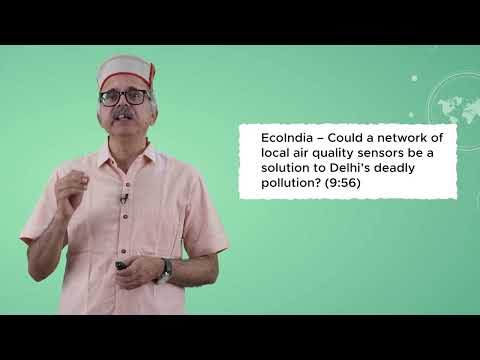
Beyond government efforts, citizens, including teenagers, are playing a crucial role in combating air pollution. EcoIndia has documented a grassroots movement where local communities build low-cost air quality mesh sensors. These sensors create hyper-local data networks that reveal pollution hotspots street by street.
This localized data empowers schools, resident welfare associations, and clinics to plan better and take targeted actions. Young people are actively involved in coding sensors and interpreting data, making clean air a tangible and measurable goal rather than an abstract concept.
Indian entrepreneurs and small enterprises are innovating with practical solutions to improve air quality:
Chucker Innovation: A device that captures particulate matter from diesel generators, currently used in government offices and hospitals.
Takachair: Developed in collaboration with the Massachusetts Institute of Technology (MIT), this machine converts crop waste into fuel. It has been piloted in Punjab and is scaling up.
Pran: A low-cost, filterless air purifier that uses artificial intelligence. It is being piloted in urban schools and public places.
These initiatives are often led by engineers and activists rather than large corporations, demonstrating how small teams can turn air pollution challenges into opportunities with global relevance.
While cities innovate with data, policy, and infrastructure, rural actions such as stubble burning continue to impact urban air quality significantly. Addressing air pollution requires coordinated efforts across urban and rural areas, combining governance, community awareness, and technological innovation.
Indian cities and citizens are actively responding to air pollution through a combination of smart governance, community-driven data collection, and entrepreneurial innovation. These efforts are making air quality management more proactive, localized, and effective. As these models evolve and scale, they offer hope for cleaner air and healthier lives across India and beyond.



















