
This blog post explores how to size a solar panel system for off-grid living, detailing the author's experience with solar panels, battery usage, and backup power solutions, ensuring a reliable energy supply even on cloudy days.
Transitioning to an off-grid lifestyle powered by solar energy can be a rewarding yet challenging endeavor. In this post, we will explore how to size your solar system effectively to ensure a continuous power supply, even during cloudy days or winter months.
When relying solely on solar energy, it is crucial to understand your daily power consumption. The author of this guide uses solar energy to power various appliances in their cabin, including a refrigerator, TV, lights, a fan, and medical equipment. This setup raises the question: how do you maintain power during cloudy days?
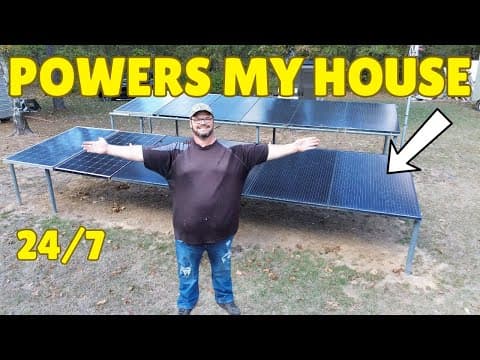
The author has installed a solar system consisting of 12 solar panels, each rated at 310 watts, resulting in a total system capacity of approximately 3.8 kilowatts (KW) or 3,800 watt-hours (Wh). This capacity is essential for ensuring that the system can meet daily energy demands.
To store energy for use during the night or cloudy days, the author utilizes two server rack batteries from Vure, which are 48-volt batteries with a nominal voltage of 51.2 volts. Monitoring the battery levels reveals that they were at 91% in the morning and had been fully charged at 100% the previous night. The author notes that they typically use about 15% of the battery capacity each night, allowing for efficient recharging during the day.
As seasons change, so does the efficiency of solar panels. In winter, the sun's position shifts, and days become shorter, which can affect energy production. However, even on cloudy days, the author reports generating 300 to 400 watts of power. The highest output observed was around 2,900 watts, which is significant enough to power multiple appliances simultaneously.
The angle at which solar panels are installed can greatly impact their efficiency. The author discovered that their panels were installed at an angle of 8.6 degrees, whereas the optimal angle for their location in Oklahoma is around 30 degrees. Proper angling could potentially increase power generation by 200 to 300 watts.
The author’s cabin is equipped with a 6,000 BTU air conditioning unit, which can be powered by the solar system. With the upgraded lithium batteries, the system can run the air conditioner for about 20 hours straight without needing a recharge. This is a significant improvement over lead-acid batteries, which could only be discharged to about 50% without risking damage.
Typically, the author experiences a power drop to around 30% battery capacity by morning after running essential appliances overnight. However, the solar system is designed to recharge the batteries back to full capacity during the day, ensuring a reliable energy supply.
Despite the robust solar setup, the author has a backup plan in place for days with no sunlight. A $400 inverter generator serves as an emergency power source. This generator is efficient, using only about a gallon of gas for 10 hours of operation. It can be connected to the solar inverter to charge the batteries if necessary.
In summary, transitioning to an off-grid solar system requires careful planning and sizing to ensure that your energy needs are met year-round. The author’s experience highlights the importance of understanding your power consumption, optimizing solar panel angles, and having backup solutions in place. With the right setup, it is possible to enjoy a reliable and sustainable energy source, even in challenging weather conditions.
If you have any questions or need further clarification on setting up your solar system, feel free to leave a comment. Happy solar powering!



















