
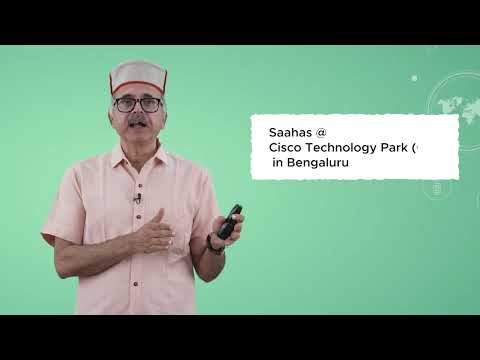
Sahas Zero Waste, a Bengaluru-based social enterprise founded by Wilar Rodriguez, is revolutionizing waste management in India by treating waste as a resource. Operating across multiple cities, Sahas achieves high landfill diversion rates, promotes social inclusion, and helps companies comply with environmental laws through innovative waste processing, behavioral change, and circular economy initiatives.
Across India, social enterprises, women's collectives, and civil society groups are not only managing waste more effectively but also transforming mindsets and markets. One of the most compelling examples comes from Bengaluru, where Sahas Zero Waste, a social enterprise founded by former journalist Wilar Rodriguez, is redefining how waste is perceived and handled.
Wilar Rodriguez began her journey not as a waste manager but as a tour guide. Through her work, she witnessed India's beauty alongside the stark reality of its waste problem and the widespread indifference towards it. Motivated to make a change, she founded Sahas initially as an NGO in 2001, which later evolved into the social enterprise Sahas Zero Waste.
Sahas treats waste not as garbage but as a valuable resource. It combines environmental design, entrepreneurship, and behavioral change, focusing especially on bulk waste generators such as tech parks, apartment complexes, and institutions.
Sahas is more than just a waste management service; it represents a reimagination of how cities, citizens, and companies deal with their trash. The enterprise operates across multiple cities including Bengaluru, Chennai, Hyderabad, and Goa.
Sahas was invited to manage waste at the Cisco Technology Park (CTP) in Bengaluru, a bulk waste generator responsible for nearly 40% of the city's total waste. The task involved implementing source segregation, running collection operations, ensuring traceability, and minimizing landfill use.
Despite the ideal setting—a major tech park, a willing corporate partner, and an experienced waste service provider—Sahas faced significant challenges:
Sahas had to improve monitoring, reestablish trust, and maintain operational continuity simultaneously. Wilar Rodriguez reflected on the experience, emphasizing the importance of managing client expectations alongside operations, likening it to "redesigning an airplane while flying."
This case highlights that effective waste management is not just about logistics but also about managing growth, setting expectations, and balancing mission with market realities.
Under India's plastic and e-waste rules, brands are legally required to take back the packaging or electronics they sell, a concept known as Extended Producer Responsibility (EPR). Sahas collaborates with such companies to establish reverse logistics systems—from consumer pickup to recycler delivery—across several states.
By doing so, Sahas helps companies comply with environmental laws and build sustainable supply chains, further embedding sustainability into the business ecosystem.
Sahas also operates a product vertical called Circle Up, which sells upcycled and recycled products made from waste, such as bags, office utilities, and garden compost, back to its customers. This initiative demonstrates that waste is not the end of the story but often the beginning of a new product lifecycle.
What Sahas has built is not merely a service but an ecosystem encompassing collection, processing, compliance, behavior change, and market reintegration. It serves as a working model of circularity in action, showcasing how social enterprises can drive environmental sustainability, social inclusion, and economic viability simultaneously.
Sahas Zero Waste exemplifies how innovative approaches to waste management can transform cities, empower communities, and promote a sustainable future.



















