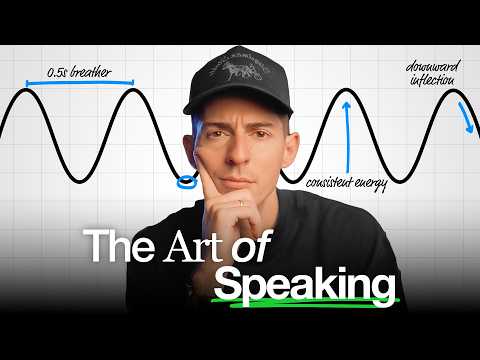
Improving your on-camera speaking skills can significantly boost your social media performance. This article breaks down three key areas: overcoming camera anxiety, mastering rhythm in speech, and becoming a likable expert. By applying these strategies, you can build trust, connect deeply with your audience, and grow your personal brand effectively.
If you want your videos to perform better on social media, the easiest way is to improve how you speak on camera. It's not just about what you say, but how you say it — your tone, energy, charisma, and delivery all play a massive role in how well your content resonates with viewers.
I've studied hundreds of top personal brands and their on-camera speaking styles. Despite their unique approaches, they all use a similar method to deliver content with both high trust and authenticity. In this article, I will break down the three most important ways to level up your speaking skills in your content. By doing this, people will trust you faster, relate to you more deeply, and want to buy from you more often.
One of the biggest barriers to speaking well on camera is camera anxiety. Most people feel uncomfortable and anxious when recording, which negatively affects their delivery. Here are five practical tips to reduce camera anxiety:
Before recording, spend 30 seconds shaking out your body, rolling your neck, moving your shoulders, and shaking your arms. This helps release tension and reset the adrenaline response caused by discomfort.
Press record and talk for a few minutes before starting your actual video. Ramble, read lines, or look around. This warm-up helps you get past the initial adrenaline spike and anxiety.
Place a photo of a close friend near your camera lens or on a monitor. This helps your brain connect relationally, making your tone more conversational as if you were talking to a friend.
Instead of recording long takes off the cuff, record line by line from a script. This allows micro resets between lines, helping maintain energy and reducing anxiety.
Reduce pressure by reminding yourself that this single recording does not matter in the grand scheme. Nobody sees your bad takes, and even if a video flops, you will create thousands more. This mindset helps reset anxiety to zero.
Rhythm directly affects how well people absorb your message. Even the best information can be lost if delivered too fast or without proper pacing. Here are four tactical ways to improve your rhythm:
Short sentences reduce cognitive load on viewers, making your message easier to process. Aim to cut long sentences into shorter, punchier ones.
Let important words land by adding a half-second pause after them. This draws attention and helps viewers focus on key points.
Upspeak (ending sentences with a rising tone) signals uncertainty. Instead, use downward inflection at the end of sentences to convey confidence and authority.
Maintain consistent volume throughout your sentences. Dropping phrases (volume trailing off at the end) can make you sound timid and reduce clarity. Recording line by line can help maintain energy.
The ultimate goal is to be both authoritative and likable. Personal brands that grow fastest combine high authority (trust and expertise) with high affinity (likability). Here are five ways to speak like a likable expert:
Believe in the words you say. If you use scripts written by others or AI, spend time tweaking them to match your natural voice and thoughts. Viewers can sense when you don't truly believe your message.
Show genuine enthusiasm and happiness to be creating content. If you don't feel this way, take a break, do something to boost your energy, and return when you're ready. Likability is hard to fake and cannot be fixed in editing.
Back up your claims with specific, concrete proof. Instead of vague statements, provide numbers, examples, or references. This builds credibility and also increases your own confidence in your message.
Before recording, ask yourself how you can be most useful to your audience. Focusing on providing value reduces pressure and makes your delivery more authentic and less stressful.
Be vulnerable by admitting struggles or mistakes. This builds a connection with your audience and makes your expertise more relatable. For example, admitting you hate recording but do it anyway shows authenticity.
Improving your on-camera speaking involves three main areas:
By applying these 14 tactical tips, you will increase trust and likability, helping your personal brand grow faster and more effectively on social media.
Remember, content creation is a journey. Even if you feel anxious or awkward at first, consistent practice and the right mindset will help you improve and succeed.
Start implementing these strategies today and watch your social media presence transform.