
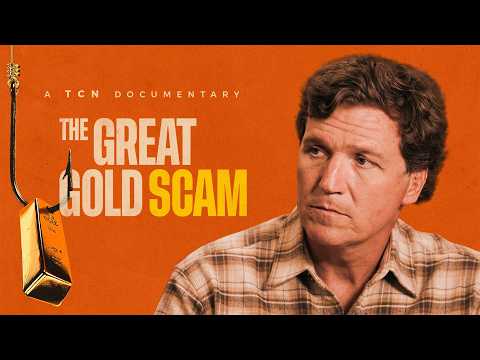
In 2025, gold prices surged dramatically, fueled by factors like the declining US dollar. Conservative media figures promoted gold-backed IRAs as safe investments, but investigations reveal a widespread scam involving exclusive gold coins sold at exorbitant markups. These schemes, targeting mostly elderly investors, involved deceptive sales tactics, hidden fees, and fraudulent buyback practices, leading to millions lost and regulatory actions against companies.
In 2025, the price of gold experienced a dramatic surge, jumping from $2,700 to $4,300 per ounce — a staggering 62% increase within a single year. This spike was driven by multiple factors, with the decline of the US dollar being one of the most significant. For years, conservative media personalities had predicted such a scenario, urging their audiences to invest in gold as a hedge against inflation, stock market volatility, and an inevitable recession.
Many Americans, particularly conservative viewers, were encouraged to move their retirement savings into gold-backed Individual Retirement Accounts (IRAs). Trusted media figures promoted gold as a safe haven, emphasizing its value during economic uncertainty. This trust created a fertile ground for gold investment companies to market their products aggressively.
However, a deeper investigation into the gold IRA industry revealed a troubling reality. Some of the most prominent conservative media names received substantial payouts to direct their viewers to specific gold companies. These companies often exploited their customers, especially the elderly, through deceptive practices and exorbitant fees.
The gold IRA companies typically secured exclusive distribution contracts with reputable mints such as the Royal Canadian Mint, the British Royal Mint, and the Perth Mint. These contracts allowed them to sell unique commemorative gold coins in the United States. While these coins are technically bullion and can be used in retirement accounts, the companies marked up their prices massively, claiming the coins were rare collector's items with limited mintage.
This exclusivity meant investors could only purchase these coins through the companies, which justified the inflated prices. The markups often reached as high as 130% over the publicly traded spot price of gold, far exceeding reasonable premiums.
Sales representatives, sometimes presenting themselves as fiduciaries with decades of experience, persuaded investors that these gold coins were superior assets. They promised that gold would buffer losses during market downturns and accelerate gains during upswings — claims that sounded too good to be true.
Victims reported aggressive sales tactics, hidden fees, and commissions that significantly eroded their investments. Many were unaware of the true costs and the limited liquidity of these exclusive coins.
Al Whitaker, an accountant and whistleblower who worked for Augusta Precious Metals, exposed some of the industry's darkest practices. He recounted how the company manipulated coin buyback prices by increasing the spread, thereby reducing the amount paid back to clients selling their coins. This practice contradicted the promises made to investors about fair buyback values.
Whitaker's revelations highlighted how companies controlled the pricing of these coins, often to the detriment of their customers.
The fraudulent practices of some companies led to lawsuits and regulatory actions. For example, Red Rock Secured and its executives were charged by the Securities and Exchange Commission (SEC) in 2023 for fraud, including charging markups as high as 130% on precious metal coins.
Despite these actions, enforcement agencies like the SEC and the Commodity Futures Trading Commission (CFTC) struggle to keep up due to limited resources. Often, when one company is shut down, its salespeople start new firms and continue similar deceptive practices.
Andrea Macvoy, a former real estate professional and mother, shared her experience investing approximately $186,000 in gold and silver through an IRA after trusting a company she found through a podcast sponsor. She was persuaded by sales pitches that promised protection against market downturns and accelerated gains, only to realize later that the investment was a "snow job."
Her story reflects the experiences of many who were lured by the trust built between conservative media and their audiences, only to suffer significant financial losses.
The elderly were the primary targets of these schemes, often persuaded to invest their life savings into these overpriced gold coins. The combination of fear, trust in media personalities, and complex sales tactics made it difficult for many to recognize the risks.
The great gold scam reveals how trust and fear can be exploited in financial markets. While gold can be a valuable part of a diversified portfolio, investors must be wary of exclusive products sold at inflated prices with hidden fees.
Due diligence, skepticism of high-pressure sales tactics, and awareness of regulatory warnings are essential to avoid falling victim to such scams. The story serves as a reminder to critically evaluate investment opportunities, especially those promoted through trusted media channels.
Key Takeaways:
This exposé underscores the importance of transparency and accountability in the precious metals investment industry.



















