
How the Port of Los Angeles Operates as a Critical Hub for North American Trade and Security
The Port of Los Angeles is North America's busiest container port, handling millions of tons of cargo daily. This article explores the complex operations, including ship piloting, cargo handling, logistics management, security measures, and the challenges faced by workers to keep the port running efficiently and safely.
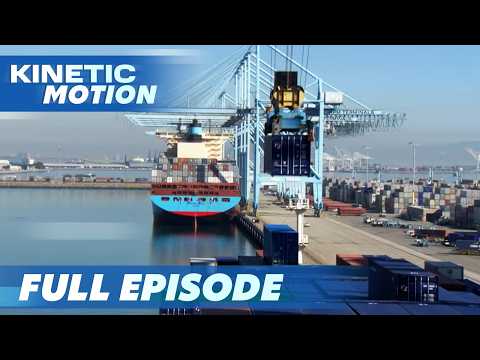
The Port of Los Angeles stands as the largest container port in North America and a vital gateway for the continent's economy. Every day, this massive operation moves over $500 million worth of cargo, including everything from car parts to frozen food and furniture. The port operates 24/7 with a workforce of 13,000 employees managing the flow of more than 20,000 shipping containers daily.
Spanning over 1,700 hectares of land and more than 3,200 hectares of water, the port comprises nine container terminals that receive cargo from Asia and around the world. It also hosts a cruise terminal that sees nearly one million passengers annually. The port's uninterrupted operation is crucial; a shutdown due to disaster or attack could cost the US economy $1 billion in a single day.
A key figure in the port's operation is the harbor pilot, such as Carrie Dimatos, one of 13 pilots trained to navigate massive ships safely through the port's narrow channels. Pilots undergo extensive training, maneuvering thousands of ships to avoid costly accidents.
For example, the super-sized container ship Gunver, carrying 3,400 containers from China, requires precise navigation aided by tugboats like Scout to make sharp turns and dock safely. Pilots use the ship's stern thrusters to counteract wind forces and align the vessel perfectly with the dock and cranes.
Once docked, the responsibility shifts to logistics managers like Joel Manila, who oversee the unloading and loading of cargo. The port uses 14 high-tech cranes capable of moving up to 100,000 metric tons of cargo daily. However, new super-sized containers measuring 16 meters long pose challenges, reducing crane productivity from 30 moves per hour to about 20.
Crane operators like Frank Sardena work high above the dock, using joysticks and signals to precisely maneuver containers onto waiting trucks. The larger containers require extra care to align with truck chassis, sometimes requiring multiple attempts.
Security is paramount, especially at the cruise terminal. Port police, led by officers like Scott Keane, conduct thorough underwater searches for explosives or threats using divers and advanced technology such as underwater communication systems and sonar devices.
In one instance, divers discovered 20 bags of cement stacked on pilings, initially suspected as explosives but later identified as leftover construction materials. Additionally, trucks delivering cargo undergo rigorous scanning and inspection to prevent security breaches, as seen when a suspicious drum was investigated and cleared.
Managing cruise ship logistics is complex. Terminal manager Wilin Mess coordinates the loading of 270 metric tons of provisions and the exchange of 1,000 mattresses for 2,800 passengers. Labor rules require creative solutions, such as building platforms for ship crew to assist without violating union regulations.
Delays in deliveries, such as a truck held at security, can jeopardize tight schedules. Wilin's team must ensure all passengers, luggage, and supplies are on board for timely departures.
Operations managers like Estraa Esabel face daily challenges, including late ship arrivals and logistical conflicts, such as a fuel truck parked under active cranes. Quick decision-making and coordination with crew bosses help maintain workflow and safety.
The port is also preparing to receive four new, massive cranes, each as tall as a 17-story building and weighing nearly 6,000 metric tons. Transporting these cranes through narrow channels and under the Vincent Thomas Bridge requires meticulous planning and expert piloting.
Harbor pilot Carrie Dimatos faced the challenge of guiding the Zenoa 27, carrying four giant cranes, through the port and under the Vincent Thomas Bridge with only 1.5 meters of clearance. The ship was ballasted with nearly 400,000 liters of water to lower its height.
Using three tugboats for precise maneuvering and spotters atop the cranes for height clearance, Carrie successfully navigated the ship under the bridge at low tide, a feat requiring intense concentration and coordination.
The Port of Los Angeles operates as a complex, high-stakes environment where every role—from harbor pilots and crane operators to logistics managers and port police—is critical to maintaining the flow of goods and security. The port's success depends on the skill, coordination, and dedication of thousands of workers who keep this vital economic hub running smoothly around the clock.
Their work ensures that millions of North American homes receive goods on time and that the port remains secure against potential threats, embodying the spirit that only the tough make it in this demanding environment.



















