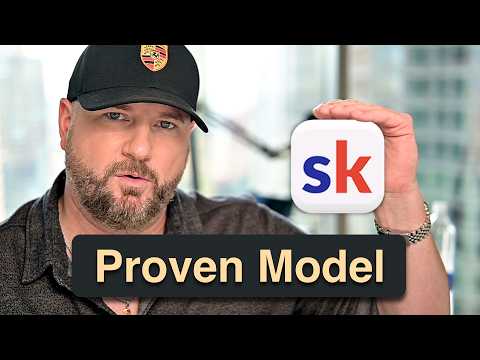
The Skool freemium model strategically uses free membership as a filtering tool rather than a teaching platform, guiding potential members from social media into a free community where they gain clarity about the program. This approach ensures only genuinely interested individuals convert into paid members, enabling sustainable revenue growth and transformation through a structured system rather than relying solely on content or aggressive marketing tactics.
In the world of online communities and education, converting free members into paying customers is a challenge many face. The Skool freemium model offers a unique and effective approach to this problem by redefining the role of free content and creating a clear pathway from free membership to paid transformation.
Many Skool communities struggle with converting free members because they misunderstand the purpose of free content. They often believe that simply providing valuable content for free will naturally lead members to upgrade to paid plans. However, this is rarely the case.
You might have seen communities with hundreds of free members but zero sales despite daily posts and consistent effort. The issue is not the content itself but the lack of a systematic approach to conversion.
The key insight behind the Skool freemium model is that free membership is not meant for teaching or delivering the full value. Instead, it serves as a filtering mechanism to sort and identify the right people who are genuinely interested and ready for transformation.
Think of it like a gym: a gym does not offer free personal training sessions. Instead, it offers a free tour. The tour is designed to sell the system, not the exercises. Similarly, free membership should provide clarity and proof of concept, helping potential members understand if the program fits their needs.
The conversion process starts by attracting people from social media platforms into the Skool community. Once inside, the free system provides an overview and clarity about the program, allowing members to see the model and understand how it works.
For example, the creator of this model uses a tool called the "Freedom Map" within the free system. This map outlines the entire program, helping members determine if it is suitable for them and if they can make it work. This clarity acts as a filter, ensuring only the right people proceed further.
Contrary to popular belief, content itself is not what converts free members into paid ones. Many creators rely heavily on content, hoping that free value will naturally lead to sales. However, without a system that guides members through a clear journey, this approach falls short.
Previously, email marketing was used extensively to nurture leads, with automated sequences bombarding potential customers until they purchased. While email lists can be effective, they often become less relevant over time and require constant maintenance.
The Skool freemium model reduces reliance on such complex systems by building an audience on platforms like YouTube and directing them into a free community where the conversion process is more organic and systematized.
The success of the Skool freemium model lies in having a well-defined system rather than just producing content. This system includes:
This approach has enabled the creator to generate seven-figure revenues consistently over the years.
The Skool freemium model teaches us that free content should not be viewed as the end goal but as a strategic step in the conversion funnel. By using free membership to filter and clarify, and reserving paid membership for true transformation, online educators and community builders can create sustainable and profitable businesses.
If you are struggling with converting free members into paying customers, consider adopting a system that focuses on sorting and clarity in the free phase and transformation in the paid phase. This shift in mindset and strategy can make all the difference in your community’s growth and success.