
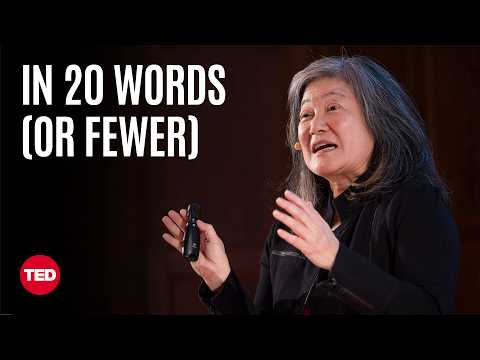
Introducing yourself effectively can make or break job opportunities. Rebecca Okamoto shares how a concise, benefit-focused introduction in 20 words or less can capture attention and lead to success, even if qualifications are fewer. She reveals five frameworks to craft introductions that prompt others to say, "Tell me more," transforming first impressions and overcoming self-doubt.
The phrase "Tell me about yourself" can cause even the most confident individuals to freeze or ramble. Many believe that qualifications alone determine success in interviews or networking, but Rebecca Okamoto's experience reveals otherwise.
Early in her career, Rebecca interviewed for an instructor position at a supply chain institute. With over 20 years of expertise, she prepared an elevator pitch filled with her accomplishments. However, when asked to introduce herself, she focused on her qualifications rather than what she could offer the interviewer. The response was immediate rejection, with the interviewer stating it would have been more effective to explain what she could do for them.
This rejection was a wakeup call. Rebecca realized that no matter how qualified or smart she was, if she couldn't capture someone's attention quickly, opportunities would slip away.
Six months later, during a casual coffee meeting, Rebecca introduced herself in one sentence: "I'm a communications consultant and I help people with something to say but struggle to say it." This introduction intrigued the executive director, who responded with "Tell me more," and subsequently hired Rebecca to conduct workshops.
The only difference between failure and success was the way Rebecca introduced herself.
Rebecca began to see introductions not just as a way to grab attention but as a key to opening doors. She studied the science of first impressions and viral headlines to discover how to craft introductions that engage instantly.
Think Soundbite, Not Data Dump
In today's world of multitasking and short attention spans, a concise 20-word introduction is essential to engage your audience effectively.
Focus on What You Can Do for Them, Not About Yourself
Instead of listing your achievements, explain how you can help or add value to the listener. This shifts the focus from "about me" to "about you."
For example:
The latter immediately communicates value to the listener.
Rebecca offers five effective ways to craft your introduction, depending on your situation and audience.
Formula: I help [target audience] achieve [desired benefit].
Example: "I help worried job hunters confidently explain why they're the ideal candidate to hire."
Tip: The benefit should answer the listener's question: "How will my life be different?"
Formula: I help [target audience] achieve [desired benefit] without [negative consequence].
Example: "I help established brands in competitive markets rapidly reach new audiences without increasing marketing spend."
The word "without" highlights what makes you unique.
Formula: I'm passionate about [something you value] to achieve [something your target audience values].
Example: "I'm passionate about helping people in need and creating opportunities that change lives."
Formula: I'm known for my [strength] to achieve [something your target audience values].
Example: "I'm known for my critical thinking and turning information into actionable insights."
Formula: I'm on a mission to achieve [something your target audience values].
Example: "I'm on a mission to bridge the healthcare divide and make a lasting difference for vulnerable communities."
Try out these frameworks and don't be surprised if you use more than one. Different audiences value different things, so tailor your introduction accordingly. The goal is to get people to say, "Tell me more."
Many people struggle with feelings of not being good enough or smart enough, often fueled by their inner critic. Rebecca challenges this narrative by suggesting that the problem may not be you but your introduction.
What if you are good enough? What if the best way to describe you is impressive, not impostor? What if the only thing standing between you and being seen, heard, and recognized is your introduction in 20 words?
Your introduction is a powerful tool that can open doors and create opportunities. By focusing on what you can do for others and crafting a concise, compelling message, you can transform first impressions and overcome barriers to success. Start practicing your 20-word introduction today and watch how it changes the way people respond to you.
[Applause]



















