
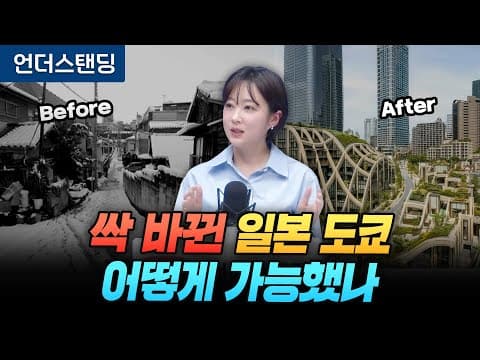
This blog post explores the transformation of Tokyo's urban landscape, particularly through the development of Azabudai Hills and Roppongi Hills, highlighting the role of art and culture in urban regeneration and attracting global talent.
In recent years, Tokyo has undergone significant urban development, particularly in areas like Azabudai Hills and Roppongi Hills. This transformation is not just about real estate; it intertwines with culture and art, playing a crucial role in revitalizing neighborhoods and attracting people. This post delves into how cultural initiatives have influenced urban regeneration in Tokyo, drawing on both local and international examples.
Urban development often focuses on infrastructure and real estate, but the integration of art and culture can enhance a city's appeal. The discussion begins with the idea that instead of merely creating local payment systems, municipalities should invest in cultural institutions like art museums. For instance, a well-designed art museum can draw visitors from afar, even if it is located outside the bustling center of Tokyo.
Azabudai Hills, located in Roppongi, is a prime example of successful urban redevelopment. After 30 years of planning and construction, it opened in November 2023. This development is not just a collection of buildings; it represents a comprehensive neighborhood that includes residential spaces, offices, retail shops, galleries, schools, and hospitals. The Mori JP Tower, the tallest building in Japan at 300 meters, is a centerpiece of this project, with luxury penthouses selling for exorbitant prices.
However, the high property values and traffic in this area are not solely due to its luxury offerings. The success of Azabudai Hills can be attributed to its cultural planning, which has made it a desirable location for both residents and businesses.
The Mori Building Company, founded by Mori Taichiro and his son Mori Minoru, has been instrumental in Tokyo's urban development. Interestingly, neither founder initially pursued a career in real estate; their backgrounds include academia and literature. Their vision transformed the company into a leading developer, successfully executing projects like Roppongi Hills and Azabudai Hills.
Both Roppongi Hills and Azabudai Hills incorporate significant cultural elements. For example, the Mori Art Museum in Roppongi was established to attract visitors and enhance the cultural landscape. Mori Minoru, a passionate art collector, aimed to create a museum that would showcase contemporary art, despite the risks involved, given Japan's historical preference for traditional art forms.
The success of the Mori Art Museum demonstrates that a well-conceived cultural institution can thrive even in a market that traditionally favors classical art. This success has encouraged further investment in cultural projects, reinforcing the idea that art can drive urban regeneration.
The discussion also references the Guggenheim Museum in Bilbao, Spain, which revitalized the city through cultural investment. The museum attracted tourists and boosted the local economy, serving as a model for urban regeneration through art. However, Mori Minoru chose to create a distinctly Japanese museum rather than replicate the Guggenheim model, emphasizing the importance of local identity in cultural projects.
As Tokyo continues to evolve, the integration of art and culture into urban planning will remain vital. The Azabudai Hills project exemplifies how modern urban spaces can incorporate cultural elements to create vibrant communities. The focus on attracting global talent rather than just local residents reflects a strategic shift in urban development.
The transformation of Tokyo's urban landscape through projects like Azabudai Hills and Roppongi Hills illustrates the powerful role of art and culture in urban regeneration. By prioritizing cultural initiatives, cities can enhance their appeal, attract diverse populations, and foster vibrant communities. As urban development continues, the lessons learned from these projects will be crucial for future endeavors, not just in Tokyo but globally.



















