This article investigates how former President Trump’s tariff policies in 2025 created a system where major corporations like JBS, automakers, and Big Tech paid large donations to gain tariff exemptions, while smaller players like soybean farmers suffered. It reveals a quid pro quo mechanism embedded in trade policy, highlighting the economic chaos and insider benefits.
In 2025, a deep investigation into former President Trump’s economic policies reveals a complex system where power and money intersected to benefit a select few corporations. This article explores how Trump monetized power through tariffs, donations, and insider access, creating a chaotic trade environment that rewarded loyalty and punished those without political clout.
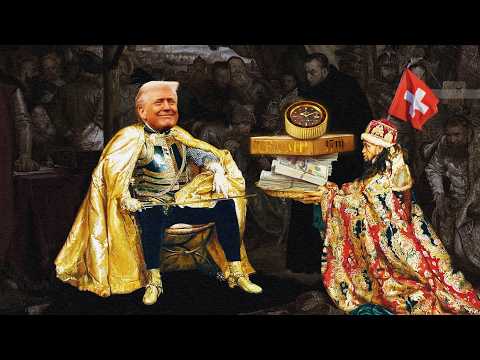
On Trump’s desk sat a $130,000 gold bar and a gold Rolex desk clock — symbols of wealth and power. But behind these symbols lay a more tangible transaction: a $5 million donation from Pilgrim’s Pride, an obscure meat packing company, to the Trump Vance inaugural fund on January 2, 2025. This was Pilgrim’s Pride’s only political donation in over 20 years and by far the largest.
Pilgrim’s Pride, primarily processing chicken and pork, is majority-owned by JBS, the world’s largest meat packing company. This donation immediately raised suspicions about what the company was buying in return.
In April 2025, the so-called Liberation Day tariffs were implemented, imposing sweeping tariffs on various imports. However, by June, JBS received permission from the Trump administration to go public despite its controversial history involving corruption and environmental concerns.
In August, JBS hired Miller Strategies, a lobbying firm staffed with former Trump officials, gaining direct access to the administration. By November, Trump announced significant tariff rollbacks, specifically eliminating tariffs on Brazilian beef — a major boon for JBS.
This sequence of events illustrates a clear pattern: threaten tariffs broadly, extract payments from select companies, and then grant exemptions to loyal donors.
Automakers like Ford and General Motors faced a blanket 25% tariff on imported car parts, threatening to increase costs drastically. However, both companies had donated $1 million each to the Trump Vance inaugural fund and even loaned cars for celebrations. In April, Trump exempted most of their parts and raw materials from tariffs, providing significant relief.
Big Tech companies, reliant on imported silicon chips from Taiwan and South Korea, also faced steep tariffs. Their CEOs attended Trump’s inauguration and a White House dinner, each donating $1 million to the inaugural fund. Subsequently, Trump granted them tariff exemptions on computer chips, saving these companies billions.
Reyes Holdings, the bottler for Coca-Cola, anticipated tariff-induced cost increases on raw materials like PET plastic. Run by Republican megadonors, Reyes Holdings saw PET removed from the tariff list, preventing price hikes on soda bottles.
Switzerland faced a 39% tariff on all goods exported to the U.S., threatening pharmaceuticals, watches, machinery, and chocolate exports. With limited leverage, Swiss business leaders engaged in a charm offensive, presenting gifts and promises to Trump. This resulted in tariffs being reduced to 15%, showcasing how diplomacy and flattery influenced trade decisions.
While major corporations secured exemptions, many others suffered. For example, soybean farmers in Minnesota, who export 60% of their crop overseas, were devastated when China, their largest buyer, stopped purchasing U.S. soybeans following the tariff announcements. This trade war led to catastrophic losses for farmers who lacked the means to buy political access.
Even major automakers, despite exemptions, faced financial strain, with Ford posting its first quarterly loss in two years partly due to tariffs.
The chaotic and seemingly illogical trade policies of 2025 follow a clear blueprint:
This pay-to-play system embedded in trade policy explains much of the economic turmoil witnessed in 2025 and highlights how insider access dictated who prospered and who suffered.
The investigation into Trump’s 2025 tariff policies uncovers a system where economic chaos was engineered to benefit insiders who could afford to buy access. From Pilgrim’s Pride’s $5 million donation to exemptions granted to automakers, Big Tech, and plastics companies, the pattern is clear: tariffs were wielded not just as economic tools but as instruments of political patronage. Meanwhile, ordinary producers like soybean farmers bore the brunt of retaliatory trade wars, illustrating the human cost of this pay-to-play approach to trade policy.
Understanding this mechanism is crucial to making sense of the economic landscape shaped by these policies and the broader implications for American industry and workers.