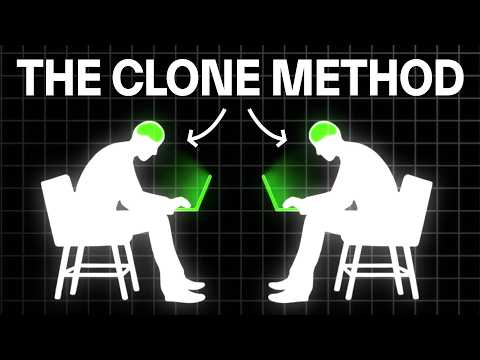
This article explores how entrepreneurs can overcome the trap of hedonic prioritization—choosing pleasurable tasks over those that drive business growth—by bifurcating their mindset into strategy and execution, effectively cloning themselves. It outlines neuroscience-backed steps to prioritize growth-based work, set objective strategies, and maintain discipline for sustained success.
In the journey of entrepreneurship, discipline is often the key to success. However, many entrepreneurs fall into the trap of prioritizing tasks that bring immediate pleasure rather than those that drive meaningful business growth. This article delves into a unique approach to cultivating discipline by mentally cloning yourself, separating strategy from execution, and making objective decisions that propel your business forward.
The concept begins with bifurcating your mind into two distinct parts:
By mentally creating this division, you effectively clone yourself, allowing the executor to perform tasks on your behalf without the emotional biases that often cloud decision-making.
Rian Doris, Founder and CEO of flowstate.com, explains that while flow states—periods of deep absorption and focus—are valuable, they should not be the sole criterion for choosing work. Many entrepreneurs prioritize tasks that induce flow because they are enjoyable, but this can lead to neglecting essential but less enjoyable activities.
Every task an entrepreneur faces falls into one of three categories:
Many entrepreneurs default to high flow activities, creating a pleasurable but potentially unproductive routine.
Hedonic prioritization is the habit of choosing tasks based on psychological pleasure rather than business needs. For example, an entrepreneur might love strategizing or content creation but avoid recruiting or administrative tasks essential for growth.
This prioritization can limit business expansion despite the entrepreneur feeling productive and engaged.
Successful CEOs like Satya Nadella and Jeff Bezos do not filter their workday based on what brings them flow. Instead, they focus on what will maximally drive business growth, regardless of personal enjoyment.
There are two distinct sources of psychological pleasure in business:
Neuroscientist Dr. Kent Berridge's research shows that dopamine drives craving (wanting), not pleasure (liking). Activity-based pleasures create an itch that can lead to hedonic prioritization, while growth-based pleasure activates serotonin, associated with status and security.
Choosing growth over comfort triggers a neurochemical reward linked to long-term satisfaction.
Psychologist Igor Grossman’s research on the Solomon paradox reveals that people give wiser advice to others than to themselves due to egocentric bias. When you think about your problems from a third-person perspective, you engage in self-distancing, which enhances objectivity and problem-solving.
Imagine you have a robotic clone who will execute all tasks without complaint. Ask yourself:
Write down these activities. This becomes your business-first strategy, free from emotional bias.
Once you have your strategy, commit to doing the work it outlines rather than what you feel like doing in the moment.
Successful entrepreneurs use cold cognition to guide both their strategy and daily schedule, resisting the pull of hot cognition that favors comfort.
When you feel drawn to a task not on your business-first strategy, pause and ask:
If it’s the latter, you’ve identified hedonic prioritization.
While it’s beneficial to design your role around tasks that induce flow, many necessary activities will not. The key is to prioritize business growth activities consistently, regardless of whether they put you in flow.
By mentally cloning yourself and separating strategy from execution, you can overcome hedonic prioritization and cultivate discipline. This approach ensures that your daily work aligns with what your business truly needs to grow, not just what feels pleasurable in the moment.
For those interested, a comprehensive guidebook covering these principles is available for free, providing a valuable resource to implement these strategies effectively.
Maintaining peak performance without burnout is the next challenge after mastering this discipline, and further resources are available to support that journey.
Embrace this mindset shift to get addicted to discipline and drive your business toward sustained success.