
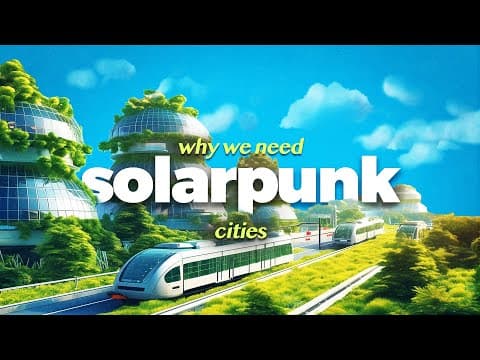
This blog post explores the concept of solarpunk cities, contrasting current capitalist urban designs with visions of sustainable, community-focused urban spaces. It discusses the inequalities in cities like Almir and Cape Town, the impact of capitalism on urban living, and presents potential blueprints for future cities that prioritize people and the planet.
Almir and Cape Town are two cities worlds apart, yet they share a common challenge: the looming threat of climate chaos. In both locations, communities are rebelling against capitalist notions of growth, accumulation, and profit-seeking to create urban spaces that prioritize people and the planet. This blog post explores the future of cities, examining how capitalism has corrupted our current urban environments and envisioning what metropolitan landscapes steeped in solarpunk and ecosocialist degrowth politics might look like.
The capitalist city of today is characterized by immense inequality, environmental destruction, and isolation. In Los Angeles County, for instance, while the wealthy enjoy mansions and gated communities, over 75,000 people live without shelter, facing the threat of police raids and violence. In New York City, skyrocketing rents leave many unable to afford housing, while Chicago's neighborhoods remain segregated, exacerbating social divides.
Outdoor air pollution alone kills approximately 88,500 people annually in the U.S., as cars and roads dominate communal spaces. Public areas are often underfunded, limiting options for social gatherings. In a city driven by capitalist logic, urban spaces prioritize profit over the well-being of residents, transforming homes into speculative investments rather than places of shelter.
Real estate has become a primary means of wealth accumulation, with two-thirds of the world's net worth now tied up in property. In cities like Detroit, Phoenix, and Atlanta, over 40% of home sales in 2022 were to investors buying secondary properties. This trend has pushed rent and housing costs to unsustainable levels, with many workers spending 30% to 50% of their wages on rent alone.
As Daniel Denier notes, there is not a single county in the U.S. where a full-time minimum wage worker can afford a two-bedroom apartment. This economic strain leads to a direct transfer of wealth from workers to landlords, leaving little for individuals to enjoy life.
City design has long favored cars, making neighborhoods hostile to pedestrians. The urban sprawl of cities like Los Angeles and Dallas illustrates how car-centric life has become. This dependence on automobiles forces individuals into debt and vulnerability, while highways often cut through communities of color, perpetuating systemic racism.
The forces of imperialism and capitalist agriculture further exacerbate these issues, pushing rural populations in countries like India and Nigeria towards urban centers in search of wages. This migration leads to the growth of informal settlements, where residents face environmental degradation and the impacts of climate change without adequate infrastructure.
Despite the challenges, cities represent a critical opportunity for change. With over half the world's population living in urban areas, transforming just one city can impact millions. According to a UN Habitat report, cities consume 78% of the world's energy and produce 60% of global greenhouse gases. Therefore, the fight for better urban design is a fight for a sustainable future.
As Karl Marx observed, cities also concentrate the working class, providing a unique opportunity for organization and collective action. The potential for urban centers to catalyze movements for justice and sustainability is immense.
Solarpunk cities are characterized by lush, interconnected landscapes that prioritize sustainability and community. These visions include:
The Empower Shack project in Cape Town exemplifies a community-driven approach to urban development. This initiative retrofits existing housing in informal settlements, fostering community engagement and pride. Similarly, Almir's self-built housing projects allow residents to customize their homes, promoting accessibility and personal expression.
However, the risk of co-optation by capitalist forces looms large. To prevent this, movements must establish clear goals and secure independent funding, ensuring that radical initiatives remain aligned with their original visions.
The visions of solarpunk cities are not mere fantasies; they represent a potential path towards a more equitable and sustainable urban future. However, realizing these dreams requires action. Communities must advocate for affordable, zero-carbon housing, better public transit, and the defunding of police to create urban spaces that prioritize people over profit.
As climate movements gain momentum, there is hope for change. Initiatives like Canada's climate adaptation fund signal a growing recognition of the need for sustainable urban development. By engaging with these movements and pushing for transformative policies, we can begin to build the cities of our dreams, where community, sustainability, and justice thrive together.



















