
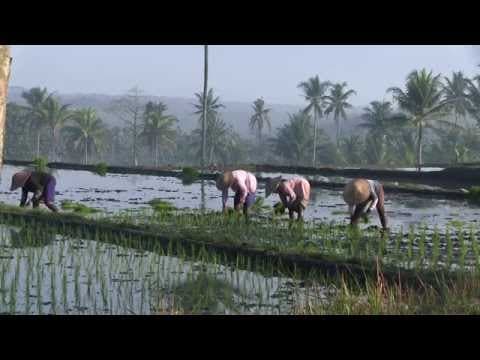
This blog post explores the innovative methods in complex adaptive rice cultivation, focusing on the integration of ducks and fish to enhance productivity, reduce costs, and promote sustainable farming practices.
Rice cultivation has long been a staple in agricultural practices around the world. However, with the increasing challenges of sustainability and cost management, farmers are seeking innovative methods to enhance productivity while minimizing environmental impact. This blog post delves into the complex adaptive rice cultivation techniques that integrate livestock, specifically ducks and fish, into the farming process.
Traditionally, rice farmers relied heavily on chemical fertilizers and pesticides to maximize yields. However, this approach often led to environmental degradation and increased production costs. In response, farmers are now exploring sustainable alternatives that not only reduce chemical usage but also improve the overall health of the ecosystem.
One of the key innovations in complex adaptive rice cultivation is the introduction of ducks into the rice fields. After preparing the land and planting rice, farmers wait approximately two weeks before introducing ducks into the paddies. The ducks serve multiple purposes:
By incorporating ducks into the rice cultivation process, farmers can lower production costs while enhancing crop yields.
In addition to ducks, integrating fish into rice cultivation has proven beneficial. Farmers often introduce fish into the paddies shortly after planting. The benefits of this practice include:
The integration of ducks and fish into rice cultivation not only reduces reliance on chemical inputs but also enhances the economic viability of farming. By lowering production costs and diversifying income sources, farmers can achieve greater financial stability. Furthermore, these practices promote environmental sustainability by fostering a healthier ecosystem.
As these innovative practices prove successful, there is a growing movement among farmers to share knowledge and techniques. By collaborating and communicating with one another, farmers can learn from each other's experiences and further refine their methods. This collective effort not only benefits individual farmers but also contributes to the overall advancement of sustainable agriculture.
Complex adaptive rice cultivation represents a significant shift towards sustainable farming practices. By integrating ducks and fish into the rice cultivation process, farmers can reduce costs, enhance productivity, and promote environmental health. As more farmers adopt these innovative techniques, the future of rice cultivation looks promising, paving the way for a more sustainable agricultural landscape.



















