
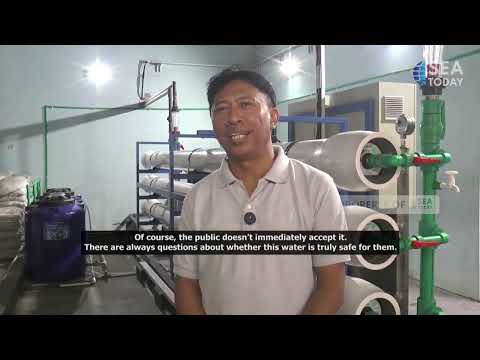
Undip University has developed a desalination technology that converts saltwater into fresh water, addressing the clean water crisis in coastal areas of Central Java. This initiative aims to provide accessible clean water to communities struggling with water scarcity, ensuring safety and quality through rigorous testing and education.
In recent years, the clean water crisis has become a pressing issue for many coastal communities, particularly in Central Java, Indonesia. Undip University has taken significant steps to address this challenge through the development of a groundbreaking desalination technology that transforms saltwater into fresh water. This blog post explores the technology, its implementation, and its impact on local communities.
Many coastal residents in Central Java face difficulties in accessing clean water. The existing government infrastructure often fails to reach these areas, forcing communities to rely on expensive alternatives such as purchasing water from vendors or using bottled water. This situation has led to a reliance on inconsistent and often unsafe water sources, exacerbating health risks and quality of life.
The desalination technology developed by Undip University is capable of producing up to 200,000 liters of fresh water per day. This innovative solution aims to provide a sustainable source of clean water for local communities. The technology operates by removing salt and impurities from seawater, making it safe for consumption and daily use.
To ensure the safety of the water produced, the team at Undip University conducts daily tests on the water quality. They measure clarity, salt content, heavy metals, and other potentially harmful substances. A dedicated laboratory is in place to monitor these parameters, ensuring that the water meets health standards set by Indonesian regulations.
The desalination machines began operating in late June, and since then, the distribution of clean water has been gradually rolled out to surrounding communities. Initially, there were concerns among residents regarding the safety and quality of the water. To address these concerns, the university has engaged in educational outreach, informing the community about the benefits and safety of the desalinated water.
Currently, the university distributes between 15,000 to 20,000 liters of clean water daily to several villages near the Undip Jepara campus. This distribution is facilitated through water tankers, which have become a lifeline for many residents who previously struggled to access clean water. The positive reception from the community has been encouraging, with many expressing surprise and satisfaction with the quality of the water.
Beyond Jepara, the desalination technology is also being implemented in other regions facing similar clean water challenges, such as Blora Regency. This expansion highlights the potential for the technology to make a significant impact across Central Java, providing a sustainable solution to water scarcity.
The desalination technology developed by Undip University represents a vital step towards addressing the clean water crisis in coastal areas of Central Java. By providing a reliable source of fresh water and ensuring its safety through rigorous testing, this initiative not only improves the quality of life for local residents but also sets a precedent for similar projects in other regions. As communities continue to embrace this technology, the hope is that more people will gain access to the clean water they desperately need.



















