
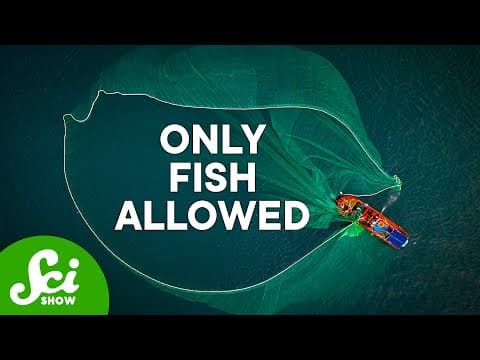
Scientists and the fishing industry are collaborating to develop methods that reduce bycatch, the unintended capture of non-target species, through innovative net designs, LED lights, sound deterrents, and strategic fishing practices, all while maintaining fishermen's livelihoods.
The fishing industry is undergoing a significant transformation as scientists and researchers work diligently to develop methods that allow fishermen to catch fewer fish, specifically targeting the reduction of bycatch. Bycatch refers to the unintended capture of non-target species, which can include everything from small fish to large marine mammals like whales. This issue poses a serious threat to many species and has prompted the need for innovative solutions.
Bycatch is a critical concern in the fishing industry, as it can lead to the decline of various marine species. For instance, up to 320,000 birds die each year due to accidental entanglement in fishing nets. The challenge lies in the fact that fishermen cannot simply instruct the animals to avoid their nets. Therefore, researchers are exploring various strategies to minimize bycatch while still allowing fishermen to catch their target species.
One promising approach involves redesigning fishing nets to be more selective. A team of scientists from Norway and other regions developed a net with openings at the top and middle, while keeping the bottom section closed. This design allows target species, such as shrimp, to remain in the net while enabling approximately 70% of higher swimming fish to escape. This method not only reduces bycatch but also maintains the fishermen's catch.
In an unexpected twist, researchers discovered that adding small LED lights to fishing nets could significantly reduce bycatch. Initially aimed at protecting turtles, these lights help birds and turtles see the nets while foraging. Studies have shown that this simple addition can reduce seabird bycatch by 85% and turtle bycatch by 40%. Furthermore, the illuminated nets make it easier for fishermen to locate and retrieve their gear, saving them valuable time on the water.
Another innovative solution involves using sound to deter dolphins from entering fishing nets. Researchers in France recorded the sounds dolphins make when they encounter nets or see fellow dolphins caught in them. By playing these recordings near the nets, dolphins are warned and tend to avoid the area. This method has proven effective, as it utilizes the dolphins' own communication to keep them safe.
To address the issue of turtles getting caught in shrimp trawl nets, researchers developed a device known as the turtle excluder device (TED). This device features a series of bars that guide turtles to an emergency exit in the net. Studies have shown that TEDs can reduce turtle bycatch by an impressive 99%. Additionally, they also decrease the bycatch of other large marine animals, such as sharks and rays, while improving the overall quality of the shrimp catch.
For larger marine animals like whales, entanglement in fishing gear poses a significant threat. Researchers are exploring rope-free fishing methods that utilize technology to locate traps without the need for vertical ropes. This innovative approach could potentially reduce the risk of entanglement for whales, particularly for endangered species like the Northern Atlantic right whale.
In addition to technological innovations, changing the times and locations of fishing can also help reduce bycatch. By analyzing satellite tracking data and weather reports, researchers have identified optimal fishing times and locations that minimize overlap with bycatch species. For example, fishing for albacore tuna at night has led to a 99% reduction in albatross bycatch while maintaining the same catch levels.
As the fishing industry continues to evolve, researchers are committed to finding solutions that protect marine life without compromising the livelihoods of fishermen. By implementing innovative technologies and strategic practices, the industry can work towards a more sustainable future. Collaborations with organizations like Seafood Watch further emphasize the importance of environmentally sustainable seafood choices, encouraging consumers to make informed decisions that support ocean conservation.
The ocean plays a vital role in our lives, and by choosing sustainable seafood, we can all contribute to its protection.



















