
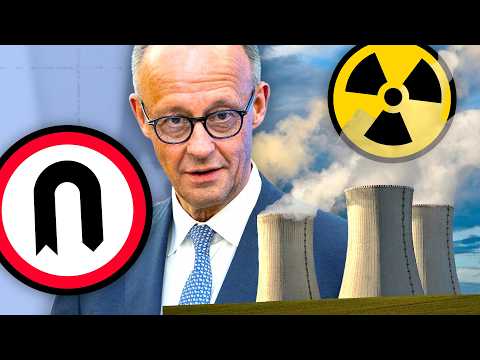
Europe is witnessing a resurgence in nuclear power as several countries reconsider their previous anti-nuclear stances, driven by energy security concerns and the need for reliable energy sources amidst rising energy prices and the unreliability of renewables.
Nuclear energy has long been a contentious issue in Europe. Following World War II, many European policymakers viewed nuclear power as a cornerstone for the continent's energy future. However, the late 20th and early 21st centuries saw a significant shift, with numerous countries phasing out nuclear energy, often due to political pressures. Recently, however, there has been a notable pivot back towards nuclear energy, even from countries like Germany, which has historically opposed it. This article explores the history of nuclear power in Europe, the reasons behind its resurgence, and the potential implications for the future.
In the late 1950s, European authorities recognized the potential of nuclear power to secure energy independence. Unlike the United States and Russia, Europe lacked substantial domestic oil reserves, making nuclear energy an attractive option for ensuring energy security and abundance. In 1957, Belgium, France, Germany, Italy, Luxembourg, and the Netherlands signed the Euratom Treaty, establishing the European Atomic Energy Community. This treaty aimed to create a nuclear common market and foster cooperation in nuclear energy development, marking a significant step towards European integration.
By the late 1980s, Europe had constructed approximately 134 nuclear reactors. However, public sentiment began to shift dramatically due to several factors, including the Chernobyl disaster and the association of nuclear power with nuclear weapons during the Cold War. Concerns over fuel disposal, construction delays, and cost overruns further fueled opposition to nuclear energy. Consequently, many countries adopted anti-nuclear policies, leading to the shutdown of numerous reactors. Over the past 30 years, only 14 new reactors have been commissioned, while 39 have been decommissioned, resulting in a net loss of around 25 reactors.
Despite the decline, nuclear energy remains a significant part of the EU's energy mix, accounting for about a quarter of total energy production, with France generating more than half of this output. However, the aging nuclear fleet poses challenges, as the average age of reactors exceeds 35 years, and their output has diminished.
Recently, several European countries have begun to reconsider their stance on nuclear energy. In May, Belgium voted to abandon its nuclear exit policy established in 2003. Denmark is also weighing the benefits of reinvesting in nuclear energy. Both nations joined the European Alliance for Nuclear Energy, a pro-nuclear coalition of 11 countries. Notably, Germany, which shut down its last reactor in 2023, announced it would no longer oppose the inclusion of nuclear power as a renewable energy source in EU legislation, signaling a shift in its long-standing position.
In Southern Europe, Italy has reversed its anti-nuclear stance, which was solidified by referendums in 1987 and 2011. Spain is also reconsidering its plans to phase out nuclear plants by 2035, especially following a recent national power outage that highlighted the need for stable energy sources. Proponents of nuclear energy argue that increasing its share in the energy mix could provide a reliable backup for renewable sources like wind and solar.
The renewed interest in nuclear energy can be attributed to several factors:
Energy Security: The current European electricity grid is under strain, and many countries that previously relied on natural gas are now seeking more reliable energy sources. The invasion of Ukraine by Russia has accelerated Europe's efforts to reduce dependence on Russian gas, leading to soaring energy prices.
Public Opinion Shift: Recent surveys indicate a growing acceptance of nuclear energy among Europeans. For instance, support for nuclear power in Denmark rose from 45% a decade ago to 75% last year.
Economic Considerations: High energy prices have prompted discussions about the economic viability of nuclear power. Pro-nuclear advocates argue that a greater reliance on nuclear energy could stabilize prices across the EU.
Technological Advancements: Countries like Sweden are exploring the construction of new reactors and revising laws that limit their nuclear fleet, reflecting a broader trend towards embracing nuclear technology.
While the revival of nuclear energy in Europe appears promising, several challenges remain. Nuclear projects are often expensive and time-consuming, with historical precedents indicating that costs and delays can escalate. A potential solution lies in standardizing reactor designs, allowing for repeated construction of the same model, which could help mitigate costs and streamline the building process.
Europe's renewed interest in nuclear power marks a significant shift in energy policy, driven by the need for reliable energy sources and changing public perceptions. As countries reconsider their nuclear strategies, the potential for cooperation among member states could pave the way for a more integrated and secure energy future. The journey towards a nuclear renaissance in Europe is fraught with challenges, but the momentum is building, suggesting that nuclear power may once again play a crucial role in the continent's energy landscape.



















