
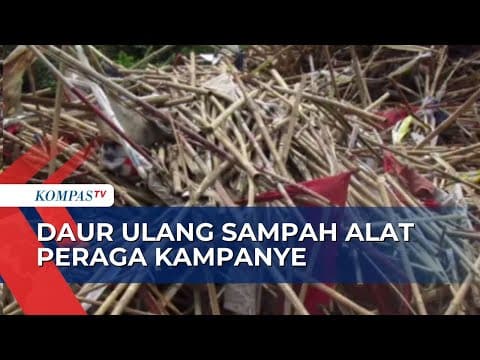
Jakarta's Innovative Recycling: Turning Campaign Waste into Compost and Alternative Fuel
The DKI Jakarta Environmental Agency is recycling campaign waste made from wood and bamboo into alternative fuel and compost, showcasing an innovative approach to waste management ahead of the 2024 elections.
In a remarkable initiative, the DKI Jakarta Environmental Agency is tackling the issue of waste generated from campaign materials. As the 2024 elections approach, the agency has devised a plan to recycle campaign waste made from wood and bamboo into useful products such as compost and alternative fuel. This innovative approach not only addresses waste management but also promotes sustainability in the city.
The Problem of Campaign Waste
During election seasons, campaign materials such as banners, billboards, and other promotional items contribute significantly to urban waste. In Jakarta, these materials are often made from wood and bamboo, which, after the elections, become a burden on the environment. The DKI Jakarta Environmental Agency recognized the need for a solution to manage this waste effectively.
The Recycling Process
The recycling process begins with the collection of campaign waste, which includes wooden and bamboo materials used for various campaign displays. The agency employs specialized machinery to crush and process these materials. Here’s a breakdown of the steps involved:
- Collection: Campaign waste is gathered from various locations across the city.
- Crushing: The collected materials are fed into machines that crush them into smaller pieces.
- Sorting: After crushing, the materials are sorted by staff to separate usable components.
- Processing into Compost: The sorted wood and bamboo are then processed further in machines designed to create compost. This compost can be used to enrich soil and support local agriculture.
- Alternative Fuel Production: Meanwhile, other materials such as banners and billboards are transformed into alternative fuel, known as STF (Solid Fuel Technology). This fuel can be used in various applications, providing a sustainable energy source.
Benefits of the Initiative
This recycling initiative offers multiple benefits:
- Environmental Impact: By recycling campaign waste, the agency reduces the amount of waste sent to landfills, thus minimizing environmental pollution.
- Resource Recovery: The conversion of waste into compost and alternative fuel exemplifies resource recovery, turning potential waste into valuable products.
- Awareness and Education: This initiative raises awareness about the importance of recycling and sustainable practices among the public, encouraging more responsible behavior during election seasons.
Conclusion
The DKI Jakarta Environmental Agency's efforts to recycle campaign waste into compost and alternative fuel represent a significant step towards sustainable waste management in urban areas. As the 2024 elections draw near, this initiative not only addresses the immediate problem of waste but also sets a precedent for future recycling efforts in the city. By transforming waste into resources, Jakarta is paving the way for a greener and more sustainable future.



















