
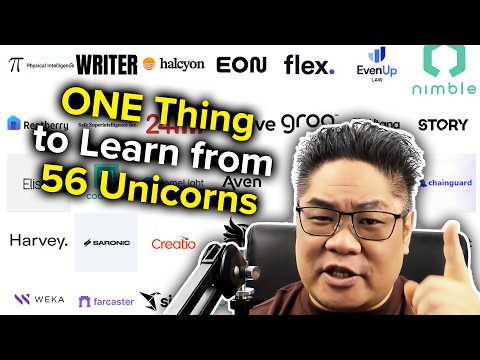
This blog post analyzes 56 startups that became unicorns in 2024, focusing on the standout company Flex, a rental payment platform. It discusses the importance of solving painful problems, the value of a manual MVP, and the significance of channel partnerships for growth. Founders are encouraged to consider their goals—whether to build a unicorn or a more manageable 'yo unicorn'—and to understand the financial expectations of investors.
In 2024, 56 startups achieved unicorn status, and among them, one company stood out as a prime example for early-stage founders seeking to raise pre-seed or seed funding. This blog post will delve into the insights gained from analyzing these unicorns, with a particular focus on the rental payment platform, Flex.
The analysis was conducted by Ed Kang, a seasoned founder with multiple successful exits and extensive experience in startup funding. With a background that includes advising over 600 active startups and raising over $100 million, Kang aims to share valuable lessons for early-stage founders.
To ensure a relevant and insightful analysis, Kang eliminated certain categories of startups:
This left Kang with a selection of startups that could provide actionable insights for aspiring founders.
The standout company from the analysis is Flex, a rental payment platform founded in 2019. Flex has facilitated over $8 billion in rental payments, charging a 1% fee on transactions plus a $15 monthly fee. With approximately 6 million properties on its platform, Flex raised $200 million in a Series D funding round and has a valuation exceeding $1.9 billion.
Identify a Painful Problem: Flex was founded during a time when many individuals struggled to pay rent, a situation exacerbated by the COVID-19 pandemic. This painful problem provided a significant market opportunity. Founders should focus on solving problems that are not only painful but also widespread, as investors are more likely to support solutions addressing billion-dollar problems.
Start with a Manual MVP: Flex began with a manual minimum viable product (MVP), processing payments manually before developing a full-fledged platform. This approach allowed them to test their solution and understand customer needs without incurring high initial costs. Founders are encouraged to consider low-tech or no-tech solutions to validate their ideas before investing heavily in development.
Leverage Channel Partnerships: Flex successfully integrated its services into existing software used by rental companies, creating a seamless experience for both renters and property managers. This strategy not only reduced friction but also facilitated growth by embedding their solution within established systems.
Set Realistic Growth Expectations: To attract significant funding, startups need to demonstrate the potential for rapid growth. Flex's journey to unicorn status took five years, highlighting the importance of setting ambitious yet achievable financial goals. Founders should aim for substantial revenue growth to meet investor expectations, typically aiming for $100 million in revenue by year five.
Kang emphasizes the importance of self-reflection for founders when considering their goals. Not every founder needs to aspire to build a unicorn. Instead, they might consider creating a "yo unicorn"—a business that is manageable and aligns with their lifestyle and financial goals. This approach allows founders to maintain greater ownership and control over their ventures.
The analysis of the 56 unicorns in 2024, particularly the case of Flex, provides valuable insights for early-stage founders. By focusing on solving painful problems, starting with a manual MVP, leveraging partnerships, and setting realistic growth expectations, founders can increase their chances of success. Ultimately, the decision to pursue a unicorn or a more manageable business model should align with personal goals and market realities.
As the startup landscape continues to evolve, these lessons will remain relevant for aspiring entrepreneurs looking to navigate the complexities of building successful companies.



















