
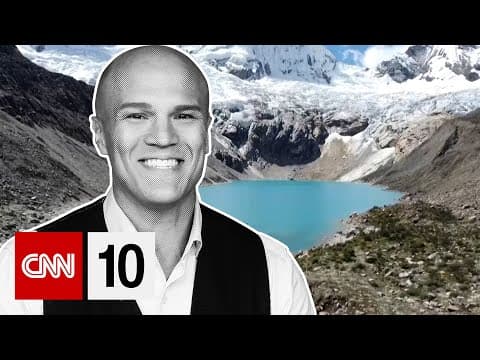
A landmark court case in Peru is testing the accountability of corporations for climate change, as a farmer sues a German energy company for its role in greenhouse gas emissions affecting local glaciers and communities.
As the world grapples with the consequences of climate change, a significant court case in Peru is poised to set a precedent for corporate accountability regarding greenhouse gas emissions. This case, brought forth by a Peruvian farmer against a German energy company, raises critical questions about the legal responsibilities of corporations in the face of climate-related disasters.
The lawsuit centers around the rapidly melting tropical glaciers in the Peruvian Andes, which are crucial to the local ecosystem and the livelihoods of nearby communities. The farmer, Saul Luciano Uluya, resides in a town that lies beneath a glacier-fed lake, which has seen its water capacity swell to 35 times its normal level due to the melting glaciers. This alarming situation poses significant risks to the 50,000 residents below, including threats of avalanches, landslides, and violent flash floods.
The melting glaciers are not only a physical threat but also disrupt local agriculture by altering seasonal patterns and exposing heavy metals in the soil, which have contaminated local streams. Uluya, with the support of a local nonprofit, is leveraging German property law to hold the German energy company RWE accountable for its contributions to climate change. RWE is identified as one of Europe’s largest emitters of greenhouse gases, responsible for 0.5% of global carbon emissions, despite having no operations in Peru.
RWE has denied legal responsibility, arguing that climate change is a multifaceted issue with numerous contributing factors. The company contends that climate-related issues should be addressed through government policies rather than through lawsuits. The case, which has been ongoing for over a decade, was initially dismissed by a lower court but is now being appealed in a higher German court.
The outcome of this case could have far-reaching implications for climate justice worldwide. If the court rules in favor of Uluya, it could pave the way for similar lawsuits against corporations globally, holding them accountable for their historical emissions and the resulting impacts on vulnerable communities.
The hearings began recently, focusing on whether the melting glaciers are indeed raising the lake's water levels and if this poses a flood risk to Uluya's community in the coming decades. Uluya expressed cautious optimism, stating that the case has garnered significant attention and could set a vital precedent for future climate justice efforts.
As the world watches this landmark case unfold, it serves as a reminder of the urgent need for accountability in the fight against climate change. The outcome could not only affect the lives of those in Peru but also influence global policies and corporate practices regarding environmental responsibility. The case exemplifies the intersection of law, climate science, and social justice, highlighting the critical role that individuals and communities play in advocating for their rights in the face of climate adversity.



















