
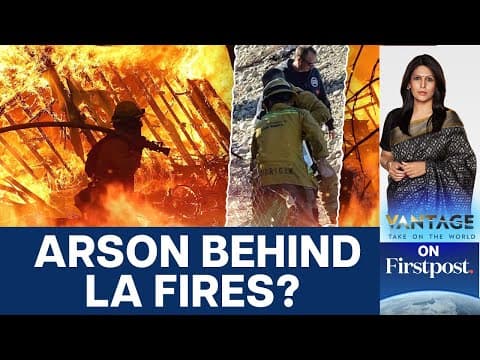
The recent fires in Los Angeles have raised questions about their causes, with speculation ranging from climate change to arson. Investigators are exploring multiple factors, including old embers from previous fires, extreme weather conditions, and the potential role of power lines. The debate continues as the city grapples with its infrastructure and fire safety measures.
The recent fires in Los Angeles have not only devastated the landscape but have also ignited a political firestorm. As the city grapples with the aftermath, questions arise about the origins of these blazes. Was it merely the ever-present scapegoat of climate change, or is there something more sinister at play, such as arson?
The first fire ignited in the Pacific Palisades around 10:30 a.m. local time on January 7th. On the same day, two additional fires broke out in Eaton and Hurst, both of which remain uncontained. The Palisades fire is particularly severe, with only 13% containment reported. The following day, January 8th, saw more fires erupt in Woodley, Lydia, and the Hollywood Hills, all of which have since been contained.
Investigators are examining several potential causes for the recent fires. One theory points to a small blaze that occurred near the Palisades around New Year's Day, which was attributed to fireworks. Although the LA Fire Department quickly contained this fire, the possibility remains that winds could have reignited old embers, leading to a larger inferno.
Another significant factor is climate change. Wildfires are a natural occurrence on the West Coast of the United States, playing a crucial ecological role. Southern California has faced over two decades of drought, followed by two years of unusually heavy rainfall, resulting in explosive vegetative growth. This year, however, marked the driest winter for the city, creating a tinderbox environment where a single spark could ignite a massive fire. Potential ignition sources include passing cars, discarded cigarettes, or even lightning strikes.
The fires are exacerbated by extreme winds known as the Santa Ana winds, which can spread flames rapidly. For instance, the Picds fire expanded to over 200 acres within just 25 minutes due to these dry winds.
Another area of concern is the state of power lines. Typically, Los Angeles cuts power to homes during strong winds to prevent fires. However, during the recent incidents, many homes retained power, raising questions about whether fallen branches or downed power lines could have sparked the fires.
Despite the ongoing investigations, speculation about arson has gained traction. Some social media users, including celebrities, have suggested that the fires were not purely natural disasters. Elon Musk even shared a video that purportedly shows an immigrant with a blowtorch, fueling the arson narrative.
However, the LA Fire Department has stated that they have ruled out any arson activities thus far. Experts caution that while arsonists may not have initiated the fires, they could have exploited the situation to fan the flames further.
The fires have also sparked a debate about the infrastructure of Los Angeles, particularly regarding the prevalence of wooden homes. These structures, a relic of the 20th century, were built to withstand frequent earthquakes. However, many argue that it is time for the city to transition to more fire-resistant materials, such as concrete. A notable example is a Malibu mansion that remains intact while surrounding homes have been reduced to ashes, highlighting the effectiveness of fireproof construction.
As Los Angeles continues to battle the flames, the questions surrounding the causes of these fires remain unresolved. The city faces a critical juncture: will it learn from this devastation and rethink its infrastructure, or will history repeat itself, leading to further loss of life and property? The ongoing investigations and debates will shape the future of fire safety and urban planning in Los Angeles as the community seeks to recover from this crisis.



















