
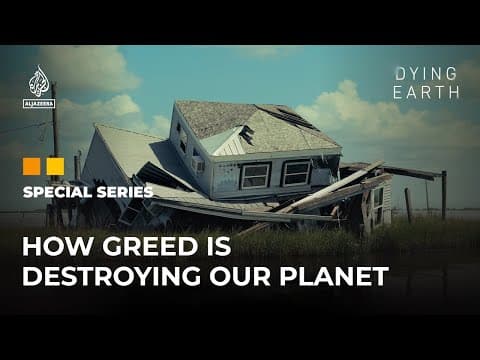
This blog post explores the devastating effects of climate change, particularly in coastal areas like Southeast Louisiana, where rising sea levels and extreme weather threaten livelihoods and homes. It discusses the role of human activity in exacerbating these issues, the political challenges in addressing climate change, and the urgent need for action to secure a livable future for coming generations.
The documentary "Lost Futures: How greed is destroying our planet" sheds light on the alarming reality of climate change and its devastating effects on vulnerable regions, particularly Southeast Louisiana. As coastal areas face the threat of rising sea levels and extreme weather events, the urgency for action has never been more critical.
In Southeast Louisiana, residents are witnessing the slow disappearance of their land. Many have lived in these areas for generations, but the constant erosion and flooding have forced some to abandon their homes. The levies, designed to protect against high sea levels, are not enough for those living outside these systems. As the land disappears, so do the livelihoods and histories tied to it.
Climate change is no longer a distant threat; it is a present reality. The documentary emphasizes that we have entered an era of global boiling, where the rate of temperature increase is unprecedented. This shift means that many regions will become uninhabitable, leading to mass migrations and increased natural disasters. The documentary warns that we are on the brink of experiencing hurricanes of unprecedented intensity, with more category four and five storms expected.
The personal stories shared in the documentary highlight the human cost of climate change. One resident recounts the harrowing experience of witnessing the destruction of homes during a hurricane, including the tragic loss of a neighbor. Such experiences illustrate the emotional toll and trauma that climate change inflicts on communities.
The documentary delves into the historical context of climate change, tracing it back to the burning of fossil fuels. The release of carbon dioxide into the atmosphere has led to a significant imbalance, trapping heat and causing global temperatures to rise. The more fossil fuels we burn, the hotter the planet becomes, leading to severe weather patterns and environmental degradation.
Despite the clear scientific consensus on climate change, political action has been slow. The documentary highlights the influence of fossil fuel companies, such as Exxon, which have historically downplayed the urgency of climate change to protect their profits. This has created a significant barrier to implementing effective policies to combat climate change.
The documentary stresses that we are running out of time to address climate change. The longer we delay action, the more severe the consequences will be for future generations. The urgency to transition away from fossil fuels and adopt sustainable practices is paramount to ensure a livable planet.
As the documentary concludes, it emphasizes the moral responsibility we have to future generations. The choices we make today will determine the world they inherit. The time for complacency is over; we must act decisively to combat climate change and protect our planet.
"Lost Futures" serves as a poignant reminder of the interconnectedness of human actions and environmental consequences. The stories of those affected by climate change in Southeast Louisiana illustrate the urgent need for collective action. As we face an uncertain future, it is crucial to prioritize sustainability and advocate for policies that address the climate crisis head-on. The future of our planet depends on it.



















