
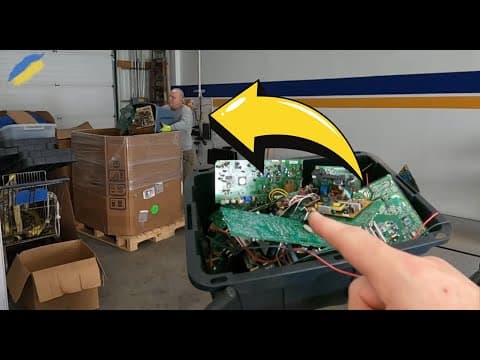
This blog post explores the process of sorting and preparing low and mid-grade electronic boards for recycling, highlighting techniques to maximize value and efficiency in electronic waste management.
In the world of electronic recycling, understanding how to effectively process low and mid-grade boards can significantly enhance profitability. This post delves into the sorting process, techniques for extracting valuable materials, and insights from a recent collaboration with Mint Innovation, a company pioneering environmentally friendly electronic waste processing.
Electronic waste, or e-waste, refers to discarded electrical or electronic devices. As technology advances, the volume of e-waste continues to grow, presenting both challenges and opportunities for recyclers. Companies like Mint Innovation are at the forefront of developing sustainable methods to process this waste, aiming to recover valuable materials while minimizing environmental impact.
Recently, I had the opportunity to connect with Mint Innovation after being featured in a Business Insider interview. Mint Innovation, which started in New Zealand, has expanded to Australia and is in the process of establishing a plant in Longview, Texas. They focus on processing both high and low-grade electronic materials, which opens up new avenues for recyclers like myself.
I began our collaboration by shipping a pallet of high-grade boards to Mint Innovation. This initial step was crucial in building a stockpile for their upcoming operations in the United States.
Currently, I am working on preparing a Gaylord full of low-grade boards. The sorting process is essential, as even previously sorted materials can yield additional value. Here’s a breakdown of the steps involved in sorting low-grade boards:
As I sort through the bins of low-grade material, I look for components that can be extracted for additional value. For instance, I often find wires and other metals that can be separated and sold individually.
After sorting, I place the materials into a bin that I have previously weighed. This allows me to keep track of the total weight of the materials being prepared for shipment. Accurate weight measurements are crucial for calculating shipping costs.
During the sorting process, I encounter various components such as transformers, aluminum heat sinks, and copper coils. Here are some examples of what I look for:
A key consideration during the sorting process is determining how much time and effort to invest in extracting components. For low-grade boards, the value may not justify extensive disassembly. I often leave components intact to maximize the weight for shipping, as a heavier load can lead to better returns.
The process of sorting and preparing low and mid-grade electronic boards for recycling is both an art and a science. By understanding the materials involved and employing effective sorting techniques, recyclers can maximize their profits while contributing to a more sustainable future. As I continue to work with Mint Innovation, I look forward to seeing how our collaboration can further enhance the recycling process and promote environmentally friendly practices in the industry.
If you found this post informative, consider sharing it with others interested in electronic recycling and sustainability. Together, we can make a difference in managing electronic waste effectively and responsibly.



















