
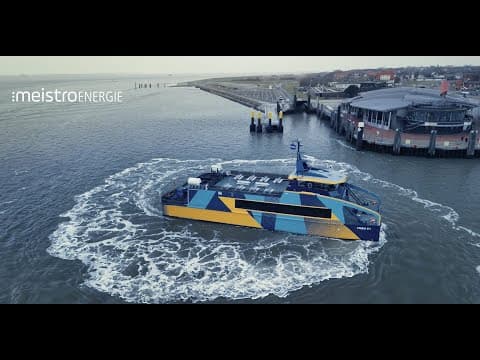
Meistro has partnered with Reederei Norden-Frisia to launch Germany's first fully electric ferry, enhancing energy efficiency and sustainability in maritime transport. The ferry, capable of carrying 150 passengers, utilizes innovative energy management systems to optimize charging and consumption, paving the way for greener transportation solutions.
In a significant step towards sustainable maritime transport, Meistro has collaborated with Reederei Norden-Frisia to introduce Germany's first fully electric ferry. This innovative vessel is designed to carry 150 passengers and operates between Norddeich and Nordanei, showcasing a commitment to reducing carbon emissions in the transportation sector.
The electric ferry is equipped with a powerful charging system that allows it to load 1.8 megawatts of energy in just 30 minutes. This rapid charging capability is a game-changer, enabling the ferry to complete its journey in approximately 20 to 30 minutes, depending on water conditions. This efficiency provides a significant time advantage over traditional long-distance ferries.
The initiative began with a reimagining of energy consumption within the company. Meistro started by installing photovoltaic (PV) systems on their expansive parking lots, which led to the opportunity to power a large consumer—namely, the electric ferry. This strategic move not only supports the ferry's operations but also aligns with broader sustainability goals.
Finding a reliable partner for marketing and management was crucial for the success of this project. After extensive searching and facing numerous rejections, Meistro found a collaborative partner in Maistro. Together, they developed a comprehensive concept that integrates management, network communication, and operational logistics for the ferry.
The ferry operates from a charging park where solar energy is harnessed to power electric vehicles. Through dynamic load management, the system can adjust the charging power based on real-time energy production. If the ferry needs to dock and charge, the system intelligently reduces the charging power to vehicles, ensuring that the ferry receives the necessary energy without compromising the charging of other electric cars.
A key aspect of this initiative is the use of locally produced green energy. The project not only focuses on direct marketing of large PV systems but also establishes a virtual balance circle. This allows for the connection of non-physically linked consumers, such as terminals and buildings located in different areas, enabling them to benefit from the energy pricing offered by Maistro.
Meistro is committed to expanding its renewable energy infrastructure. Wherever there are available spaces, there are opportunities to install additional PV systems. This includes plans to equip southern Germany with PV installations, ensuring that energy produced in one region can be utilized in others, such as Northern, Eastern, or Western Germany.
The shift towards self-consumption and self-generation of energy is seen as a logical step for companies seeking stability in energy pricing. The recent energy crisis has prompted many businesses to reconsider their energy strategies. Reederei Norden-Frisia has already recognized the importance of this approach and is leading the way in sustainable energy solutions.
The partnership between Meistro and Reederei Norden-Frisia marks a pivotal moment in the evolution of electric ferry operations in Germany. By leveraging innovative energy management systems and a commitment to sustainability, this initiative not only enhances operational efficiency but also sets a precedent for future developments in green transportation. Meistro is dedicated to supporting customers on this journey towards a more sustainable future, ensuring that they can navigate the challenges of energy management effectively.



















