
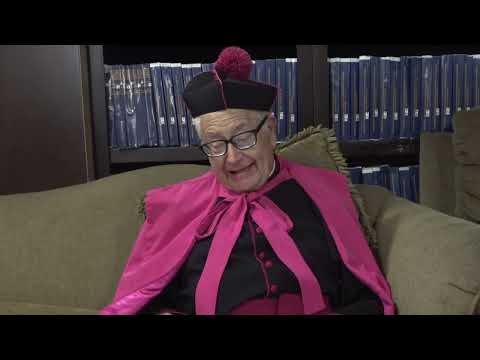
Mons. Isidro Puente Ochoa addresses allegations made against him by the Archbishop of Tijuana, discussing the lack of transparency in the process, the importance of truth, and his commitment to the traditional rites of the Church.
In a recent address, Mons. Isidro Puente Ochoa expressed his deep concerns regarding the allegations made against him by the Archbishop of Tijuana. This first part of his defense sheds light on the events leading up to the accusations and the implications they hold for his ministry and the congregations he oversees.
Mons. Ochoa began by recounting a meeting with the Archbishop, attended by several other clergy members, where he was presented with a document that he described as deeply troubling. He emphasized that the document had been sent to Rome without his knowledge, raising questions about transparency and honesty in the proceedings. He stated, "De Roma viene lo que a Roma va," highlighting the traditional belief that what is sent to Rome often returns with significant consequences.
The accusations against Mons. Ochoa are based on alleged failures to adhere to certain ecclesiastical norms. He expressed his belief that these allegations are rooted in falsehoods and misrepresentations. He stated, "esto está fundado en faltas a la verdad," asserting that the truth must come first, even in matters of mercy and unity within the Church.
Mons. Ochoa recounted a promise made by the Archbishop regarding the recognition of the male branch of his congregation, which was to be solely for the formation of lay religious brothers. However, during the meeting, the Archbishop denied having made such promises, leaving Mons. Ochoa feeling betrayed and saddened. He noted that the witnesses present during the initial discussions were silent, which he found disheartening.
The document sent to Rome includes eleven points that Mons. Ochoa believes are intended to intimidate him into compliance. He fears that the response from Rome will be severe, potentially leading to his reduction to the lay state without a fair hearing. He lamented, "eso no es justo," emphasizing the lack of due process in ecclesiastical matters.
Mons. Ochoa referenced historical precedents within the Church, discussing how permissions granted by previous bishops have been disregarded. He mentioned conversations with his predecessor, Mons. Rafael Romo Muñoz, who allegedly granted him permission to establish his congregation. The current Archbishop's denial of this permission has left Mons. Ochoa questioning the integrity of the leadership within the Church.
The implications of these allegations extend beyond Mons. Ochoa himself; they affect the entire congregation he leads. He expressed concern for the emotional and spiritual well-being of his followers, stating that the accusations are rooted in a broader persecution against traditional practices within the Church. He remarked, "esta tristeza es la que me acompaña en esta Semana Santa," indicating the profound impact this situation has on him during a significant liturgical season.
Mons. Ochoa concluded his address by calling for a return to truth within the Church. He emphasized that bishops are not owners of the Church but rather stewards, and they must uphold the rights and dignity of all members. He stated, "los obispos no son dueños de la iglesia," reinforcing the idea that ecclesiastical authority should not override fundamental rights.
He expressed his commitment to preserving the traditional rites of the Church, which he believes are under threat. He noted that he has been a proponent of the traditional Latin Mass for over 40 years and sees the current situation as part of a larger movement against these practices. He urged his followers to remain steadfast in their faith and to seek the truth amidst the turmoil.
Mons. Isidro Puente Ochoa's defense highlights significant issues within the Church regarding transparency, truth, and the treatment of clergy. As he prepares to address each of the allegations in subsequent communications, he remains focused on the well-being of his congregation and the preservation of traditional practices. His call for justice and truth resonates deeply, especially during this reflective time of Holy Week.



















