
Samantha Naifeh shares her transformative internship experience at Rice Residential Design, highlighting the skills she developed in project management, communication, and ethical decision-making, while emphasizing the importance of client-centered approaches in architecture.
When I was searching for a business internship for the summer, I never imagined that an architecture firm would be the perfect fit. My name is Samantha Naifeh, a business major at the University of Dallas, and I had the exciting opportunity to intern at Rice Residential Design, a Houston-based architecture firm specializing in custom residential architecture since 1992. This blog post will detail my experiences, the skills I developed, and how this internship shaped my understanding of the business world.
Rice Residential Design has crafted over a thousand prestigious homes across the country, known for its highly personalized approach. The firm engages clients in a step-by-step process to bring their visions to life. Founder Todd Rice prioritizes open communication and actively listens to clients to ensure that every home reflects their unique needs and achieves optimal design.
During my internship, I had a variety of responsibilities that included:
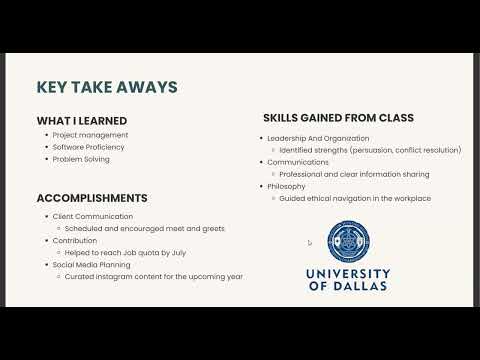
Throughout my internship, I gained valuable experience in managing multiple projects and organizing workflows for both clients and team members. My primary responsibility was overseeing files and project assignments, ensuring they reached the appropriate draftsmen and coordinating information with builders and interior designers. I also became proficient in new platforms like ACT and Monday.com, which initially posed a challenge but ultimately helped me adapt to a fast-paced work environment.
I served as a key point of communication between clients and the team, frequently helping new clients schedule meet-and-greet appointments and encouraging them to engage with us. Many clients I assisted brought in substantial projects, helping us reach our job quota by July. I became known for my efficiency in coordinating client meetings and ensuring they had all necessary information and materials. Additionally, I curated social content for the firm's Instagram for the upcoming year.
The skills I developed in my classes at the University of Dallas were instrumental in my internship. Courses in leadership, organization, communication, and philosophy helped me explore the roles of leaders and managers, identify personal strengths, and improve my conflict resolution skills. My communication class taught me how to convey information clearly and professionally, which was crucial in coordinating between clients, builders, and draftsmen. Active listening and constructive feedback allowed me to build rapport with clients and address their needs effectively.
One of the most surprising aspects of my practicum was the small size of the company, with only about eight other people in the office. This close-knit environment allowed for frequent direct communication with the CEO, a unique opportunity not often available in internships. However, this structure also presented challenges, as personal dynamics sometimes influenced the professional environment, adding complexity to workplace interactions.
Several ethical challenges emerged during my practicum, particularly related to deed restrictions. Designers occasionally sought loopholes in these restrictions to simplify design solutions, raising questions about adhering to community guidelines versus prioritizing client preferences. This experience taught me the importance of balancing creative design goals with regulatory compliance and the ethical implications of these decisions on the surrounding community.
This practicum experience has significantly shaped my view of the business world. I gained a strong appreciation for a detailed client-centered approach, which is essential in architecture. Each project demanded precise preparation, clear communication, and a thorough understanding of client needs, reinforcing the importance of building trust and transparency in professional relationships.
I recognize that I need to further develop my proficiency in software tools. Throughout the internship, I encountered many new software platforms that posed challenges, and I often lacked confidence in using them. This is an area I plan to improve upon moving forward.
My internship at Rice Residential Design provided me with hands-on experience in managing client relationships, navigating ethical challenges, and honing my communication skills. It deepened my understanding of the architecture industry and highlighted the importance of both technical skills and ethical responsibility in a professional setting. This experience has inspired me to approach my studies with a more practical mindset, especially in courses like business ethics and communications, as I prepare for my future career.



















